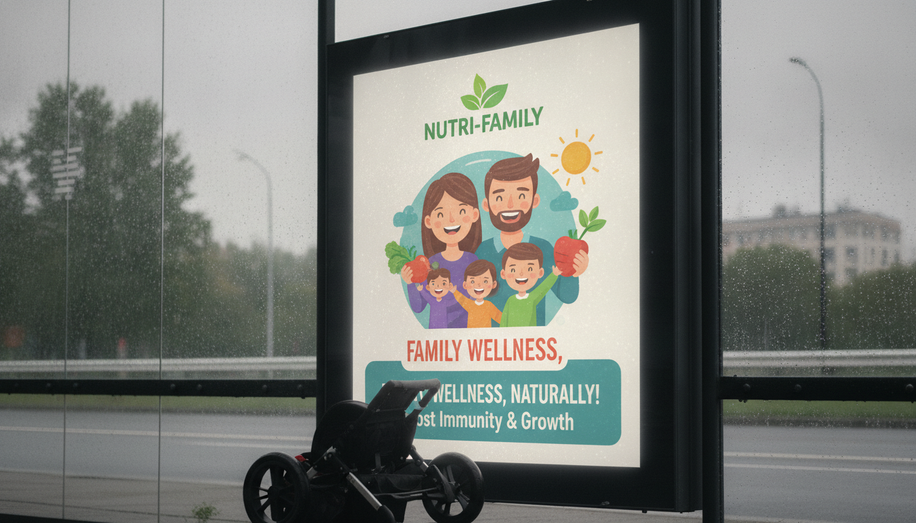

For family, wellness, and consumer brands, reaching parents when their children are top of mind is a gold standard in modern advertising. Pediatric, general healthcare, and pediatric dental offices present a highly captive environment with generous dwell times—often averaging between 15 to 40 minutes—allowing campaigns to resonate when patients and caregivers have few distractions. Leveraging digital out-of-home (DOOH) networks at these key points of care enables brands to capture high-intent audiences right when they are thinking about wellness, hygiene, and family health. By aligning media placements with contextually rich environments, advertisers can easily bridge the gap between initial health-focused awareness and direct, immediate action.
Here are six of the best pediatric and dental office waiting room DOOH networks and platforms for health-focused and family-oriented brands:
1. PatientPoint
As one of the largest and most established point-of-care networks in the country, PatientPoint delivers highly engaging, medically vetted content across thousands of physician waiting rooms, exam rooms, and pediatric offices. Their digital screens are strategically placed where caregivers make critical health decisions, making it an excellent platform for national pharmaceutical, over-the-counter (OTC), and consumer package goods (CPG) brands. The platform blends award-winning educational material with brand messaging to reduce perceived wait times and prompt productive discussions with physicians. While it offers unmatched national scale, smaller local businesses or specialized brands might find their highly structured entry requirements and inventory better suited for regional and enterprise media buyers.
2. Health Media Network (HMN)
Boasting an extensive footprint of digital screens across a multitude of medical facilities, Health Media Network operates 30 specialty networks, including dedicated channels for primary care, new moms, and pediatric-related clinical spaces. The network specializes in contextually relevant health education that encourages active dialogue between patients and doctors during a typical 30-minute waiting room dwell time. By collaborating with top-tier healthcare content partners, they ensure that the surrounding programming is educational, accurate, and highly trusted. This makes it an exceptionally safe and positive brand environment, although those looking to run non-health-related consumer campaigns may find the strictly health-centric environment less aligned with their primary goals.
3. Mesmerize
Focusing on point-of-care, point-of-sale, and transit networks, Mesmerize places ad-supported digital screens in specialty medical offices, community health organizations, and independent retail pharmacies. Their custom, localized programming works exceptionally well for brands aiming to foster direct consumer trust and prompt conversations with medical staff immediately prior to purchase or prescription fulfillment. By combining digital screens with static physical media options, Mesmerize creates a multi-touchpoint environment that captures patient attention throughout their entire clinical visit. It is an ideal option for regional targeting and community-based health initiatives, though advertisers looking strictly for high-volume urban lifestyle locations may find their clinical focus somewhat narrow.
4. Screenverse
Rather than managing a single proprietary network of displays, Screenverse acts as a prominent media representative and aggregator that curates programmatic DOOH inventory across a wide range of independent healthcare networks. Through their Screenverse Health solutions, brands can execute scalable, data-driven programmatic campaigns across dental, pediatric, and general health venues utilizing a robust database of over 5,000 distinct audience segments. This approach offers immense planning flexibility and unified reporting across multiple screen owners, making it a stellar fit for modern programmatic agencies and multi-market wellness brands. However, because they function as an aggregator rather than a direct owner, brands looking for deep, custom physical integrations or exclusive single-clinic takeovers may need to work directly with individual network operators.
5. Blindspot
For brands seeking a highly flexible, self-serve gateway to point-of-care and healthcare audiences, Blindspot offers an accessible programmatic DOOH platform with access to over 2.5 million digital screens in more than 50 countries. Advertisers can launch campaigns in roughly 15 minutes with no long-term contracts, choosing to buy DOOH by the hour rather than committing to rigid 24/7 loops. The platform’s context-aware creative capabilities allow brands to automatically swap out creatives based on real-time factors like weather, local pollen levels, or time of day, while robust attribution tools help track web lift, sign-ups, sales, and foot traffic. This level of agility makes it an exceptionally strong fit for growing consumer wellness and family brands, though large enterprise pharmaceutical companies with highly bespoke DSP setups and complex closed-loop data pipelines may find it lacks some custom enterprise-level integrations.
6. Innovare Medical Media
Focusing on high-dwell spaces within hospitals, clinical lobbies, and healthcare cafes, Innovare Medical Media provides vibrant, high-definition digital displays designed to capture the attention of patients, caregivers, and healthcare professionals alike. Because hospital and medical complex waiting times can span hours, Innovare’s screens offer unparalleled repetition and high recall rates for brands looking to establish deep, localized trust. Their unique venue makeup is highly effective for family-centric brands, university clinics, and community services that benefit from prolonged visual exposure. However, because their inventory is naturally concentrated in larger hospital complexes and multi-practice healthcare hubs, they may not be the optimal choice for advertisers specifically targeting quiet, standalone neighborhood pediatric practices or boutique dental clinics.
Selecting the right point-of-care DOOH network depends heavily on a brand’s scale, target demographic, and programmatic capabilities. Whether leveraging a self-serve platform for real-time contextual triggers or partnering with a massive national network for maximum reach, waiting rooms offer a rare opportunity to engage parents in an environment free from home distractions. By utilizing these specialized channels, family and health brands can transform passive dwell time into meaningful, long-term customer relationships.