
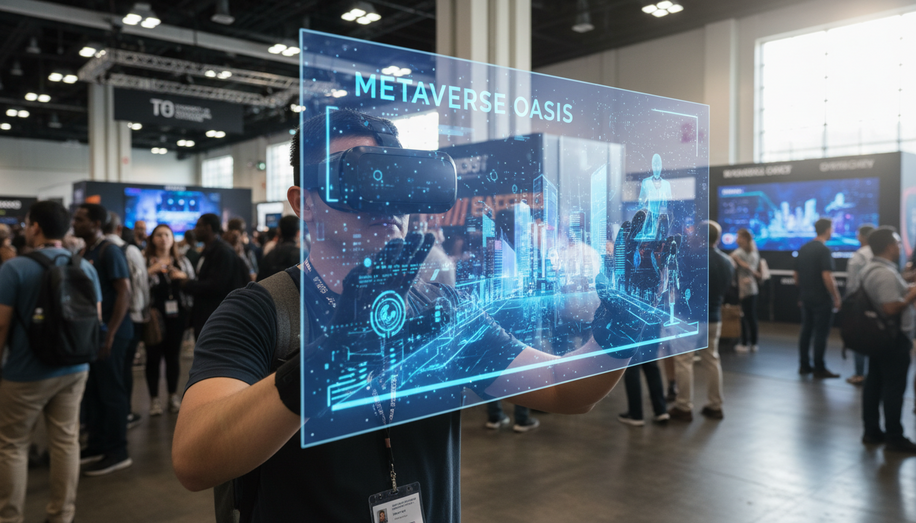

In the sprawling digital landscapes of the metaverse, traditional out-of-home (OOH) billboards are undergoing a profound metamorphosis, evolving from static roadside fixtures into dynamic, immersive portals that blend physical and virtual realities. What began as simple replicas of real-world ad spaces is now expanding into interactive ecosystems where avatars encounter brands in ways that feel eerily lifelike, unskippable, and profoundly engaging. Agencies like MilkMoney have pioneered this shift, dubbing it “MOOH” for metaverse OOH, with early activations such as virtual billboards during Paris Hilton’s Paris World fashion week in Roblox for Boohoo, reaching hundreds of thousands of influencers and celebrities.
This translation of OOH principles leverages the core strengths of physical advertising—its always-on presence and non-intrusive nature—while infusing them with metaverse-exclusive capabilities like programmatic buying and hyper-targeted delivery. Virtual real estate operates much like digital ad inventory, where consumer data enables precise targeting based on avatars’ behaviors, locations, and even dwell times in front of screens. Ocean Outdoor, a UK DOOH powerhouse, has partnered with in-game ad tech firm Admix to sell inventory on digital replicas of its premium physical assets, including tri-screen roadside setups and massive curved displays modeled after real Westfield and city-center screens in Manchester and Birmingham. These virtual counterparts maintain the scale and design fidelity of their physical twins, ensuring brand recall bridges seamlessly from street to screen.
Programmatic advertising, already a staple in OOH media planning, finds fertile ground here, as noted by IBM Watson Advertising’s chief product officer David Olesnevich: it promises to dominate transactions with new signals from metaverse experiences that outpace current digital targeting. In platforms like Roblox, Decentraland, and Sandbox, companies such as Bloxbiz, Anzu, Adverty, Admix, Bidstack, and Super League are building networks of virtual screens, attracting blue-chip advertisers including Nike, McDonald’s, Coca-Cola, Red Bull, and Sprite. These aren’t mere banners; they’re contextually integrated to enhance immersion. A billboard on a virtual racetrack might ripple in the wind or splatter with mud, mimicking real physics to avoid disrupting the user experience. Hyper-targeting draws from user data like age, location, gender, playtime, and gaze duration, allowing ads to adapt dynamically—shifting by time of day, events, or even avatar mood via AI algorithms.
The potential for campaigns bridging physical and digital realms amplifies this evolution. Imagine a commuter passing a Nike billboard in Times Square, only to encounter an interactive version in a metaverse replica, where their avatar can try on virtual sneakers as NFTs before purchasing physical pairs via AR integration. Coca-Cola and Samsung have already deployed virtual billboards in gaming environments for product placement, while Nike sells branded digital goods that users flaunt across metaverses, fostering visibility and revenue. Ocean’s metaverse push exemplifies this hybridity, combining DOOH expertise with in-play tech to create campaigns that resonate across worlds. MilkMoney’s expansions into multiple platforms further illustrate the growing “network of screens,” turning fragmented virtual spaces into cohesive OOH channels.
Yet, success hinges on subtlety. Early mobile gaming ads alienated users with intrusive formats, prompting innovators to prioritize native integration—ads as natural environmental elements rather than interruptions. In the metaverse, this means leveraging endless possibilities unavailable in reality: collaborative brand spaces atop virtual Empire State Buildings or event tie-ins like Coachella activations that draw real-world influencers into digital festivals. OOH revenue’s 16.7% surge in 2021 underscores the medium’s resilience, now supercharged by metaverse growth projections.
Looking ahead, firms like Meta OOH are positioning themselves as specialists, drawing on decades of physical expertise to craft campaigns that connect audiences in both realms. As virtual worlds mature, expect AI-driven personalization to make billboards hyper-relevant, with branded virtual goods and immersive experiences eclipsing traditional formats. Tim Rowe’s insights on business metaverses suggest OOH will thrive by adapting to professional contexts, from virtual conferences to collaborative simulations.
This convergence isn’t displacing OOH but elevating it, creating a unified advertising continuum where physical billboards seed digital encounters and vice versa. Brands that master this translation will not just be seen—they’ll be lived, turning passive viewers into active participants across realities. The metaverse beckons as OOH’s next frontier, where the line between real and virtual dissolves into opportunity.