
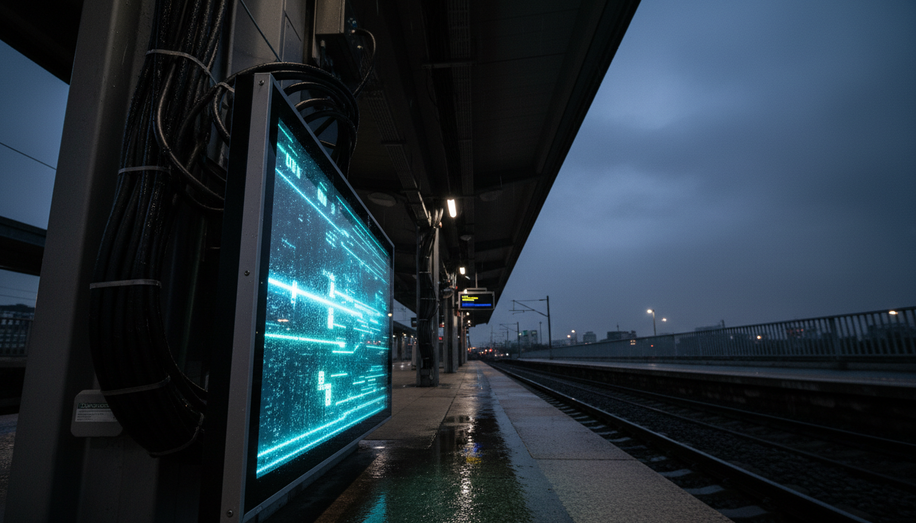

Behind every dazzling digital billboard lighting up city streets and transit hubs lies an intricate technological infrastructure that most audiences never see. The visual appeal of dynamic, context-responsive creative is only possible because of the sophisticated systems working silently in the background to keep these networks operational, secure, and continuously synchronized across entire metropolitan areas and beyond.
The foundation of any modern digital out-of-home network rests on three essential layers: the digital screens themselves, content management systems that enable remote creative updates, and the connectivity infrastructure that serves as the nervous system of the entire operation. This connectivity backbone has become increasingly critical as DOOH networks have grown more complex and geographically dispersed. Whether managing a single building’s display network or orchestrating screens across multiple cities, operators depend on reliable IoT connectivity to maintain real-time synchronization and prevent costly downtime.
Power infrastructure represents one of the first technical considerations when deploying DOOH assets. Digital advertising units already require reliable electrical connections, and this existing power architecture naturally accommodates additional technology components such as Wi-Fi access points and cellular connectivity hardware. The simplicity of this deployment model has accelerated DOOH network expansion, allowing operators to leverage existing infrastructure investments rather than requiring entirely separate utility systems.
Connectivity itself has become the heartbeat of modern DOOH operations. Network operators must now consider multiple connectivity options, from traditional cellular networks to dedicated IoT solutions and hybrid models that combine 5G with Wi-Fi protocols. This redundancy proves essential because any screen that drops offline creates immediate revenue loss and damages campaign credibility. Leading connectivity solutions now deliver 99.9% uptime through full network redundancy and automated switching to the strongest available signal, ensuring audiences never encounter blank screens.
The remote management capabilities enabled by robust connectivity have fundamentally transformed DOOH economics. Operators can now update creative across hundreds or thousands of screens instantaneously from a centralized location, dramatically reducing the need for field technicians and on-site visits. This operational efficiency extends asset lifespan and allows campaigns to respond dynamically to real-world conditions such as weather changes, traffic patterns, or live events. A content management system integrated with reliable connectivity transforms static displays into responsive, data-driven assets that continuously optimize their relevance to passing audiences.
Data analytics and security have become equally important infrastructure components as DOOH networks have matured. Cloud-based management dashboards provide operators with real-time visibility into network health, user analytics, and individual access point performance. This transparency proves critical because advertising effectiveness correlates directly with Wi-Fi and connectivity performance. Security mechanisms including private APNs, SIM/IMEI binding, and traffic segmentation ensure that every device connection remains authenticated and encrypted, protecting both operator interests and user privacy.
Location-based advertising capabilities depend entirely on the underlying technical infrastructure. When connectivity systems work seamlessly, retailers can trigger flash sale promotions as consumers enter shopping districts, and airlines can display destination-specific creative tied to live flight data. These sophisticated use cases require not just connectivity, but location intelligence systems that integrate mobility data with audience segmentation platforms. The infrastructure must support both static billboards and mobile displays mounted on taxis and buses, automatically connecting to the strongest available local network even across geographic borders.
The business case for investing in premium infrastructure has become increasingly compelling. While building a DOOH network requires substantial upfront investment in hardware, software, and connectivity systems, the long-term operational efficiencies quickly offset initial costs. Remote updates, automated maintenance protocols, and dynamic campaign capabilities reduce recurring expenses while enabling faster campaign execution compared to traditional outdoor advertising. Infrastructure quality now defines competitive advantage as much as location and screen size.
As DOOH continues expanding at rapid growth rates, the technical infrastructure supporting these networks has evolved from a secondary consideration into a primary differentiator. Operators who invest in resilient, redundant connectivity systems, sophisticated management platforms, and integrated security protocols gain the operational flexibility and reliability necessary to serve increasingly demanding advertisers and audiences. The future of digital out-of-home advertising will be won not by those with the brightest screens, but by those with the most intelligent and resilient infrastructure supporting them. Leveraging this sophisticated backbone, platforms like Blindspot empower operators to translate robust connectivity and data into tangible business outcomes. By offering real-time campaign performance tracking, precise audience measurement and location intelligence, and advanced programmatic DOOH campaign management, Blindspot ensures advertisers can maximize their ROI and solidify a crucial competitive advantage in this data-driven landscape. Learn more at https://seeblindspot.com/