
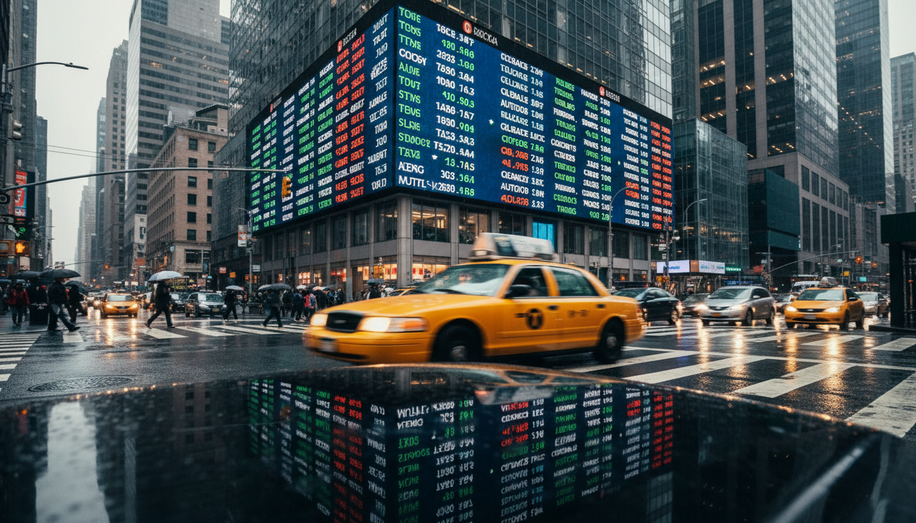

In the bustling heart of a city, a digital billboard flickers to life not with a static slogan, but with the roar of a crowd echoing through live sports scores. As a local team clinches a last-second victory, the screen erupts in celebratory graphics, flashing “Congrats, Champs! Gear up now at [Store Name]” alongside surging ticket sales links. This is no coincidence—it’s the power of real-time data feeds transforming digital out-of-home (DOOH) advertising from passive displays into pulse-pounding conversations with passersby.
Long gone are the days when out-of-home campaigns relied solely on weather triggers, like eBay’s raincoat promotions during sudden downpours or Google Searches adapting to sunny skies with nearby shopping prompts. Those innovations set the stage, but today’s DOOH campaigns dive deeper, integrating sports scores, stock tickers, breaking news, and social media pulses for hyper-relevant messaging that drives immediate action. Programmatic platforms now enable “if-this-then-that” logic, where dynamic creative optimization pulls live data to reshape ads on the fly—think a financial district screen swapping fintech promos for stock price surges or viral headlines.
Sports data offers a prime arena for this evolution. The NBA’s playoff campaign exemplifies it, using a single ad template populated nationwide with local game countdowns, live scores, and even fan tweets from X (formerly Twitter). Scaled effortlessly via a DOOH demand-side platform, the effort built nationwide excitement for the league’s 75th anniversary playoffs, capturing both die-hard fans and casual viewers in real time. Similarly, sportswear brands have tapped post-game euphoria: screens near stadiums instantly pivot to congratulatory messages and merchandise plugs right after a championship win, channeling crowd adrenaline into sales spikes. These aren’t pre-scheduled loops; they’re live updates that make ads feel like extensions of the event itself.
Stock prices unlock precision for business audiences. In high-traffic financial hubs, billboards can display real-time ticker updates tied to brand narratives—a surging tech stock prompting ads for related investment apps or gadgets. DSPs integrate these feeds programmatically, bidding dynamically on inventory when market volatility peaks. Imagine a fintech firm whose screens light up with “Your portfolio just jumped 5%—secure it now” during trading hours, blending utility with promotion to boost engagement among suited commuters. This contextual relevance turns billboards into trusted information hubs, far from intrusive sales pitches.
News headlines and social trends push DOOH into cultural commentary. Programmatic networks scan morning headlines or Twitter trends, triggering cheeky tie-ins: a coffee brand riffing on a viral political gaffe with “Need a pick-me-up after that?” across urban screens. Lifeblood, Australia’s blood donation service, linked its supply API to DOOH near donor centers, activating ads only when local stocks ran low—specifying blood types and state-specific calls-to-action that converted awareness into foot traffic. In subway stations like New York’s MTA Liveboards, blending news tickers with ads keeps waiting commuters hooked, especially when clever quizzes or animations nod to trending stories.
British Airways pioneered this fusion with its “Magic of Flying” campaign, where radar data detected planes overhead, animating a child pointing skyward with the exact flight number and destination. Viewers gasped as real BA jets synced perfectly, making the global carrier feel intimately local. Coca-Cola’s interactive twist on “Share a Coke” let passersby see their names on bottles via cameras, personalizing the feed in real time for viral buzz. Even Carlsberg’s beer-dispensing billboard in London responded to public interaction, pouring half-pints on demand while touting “Probably the best poster in the world.”
These examples underscore a shift: DOOH stops being “just advertising” when it delivers utility. McDonald’s moment-specific calls-to-action on billboards boosted sales by matching hunger pangs with timely offers, enhancing brand love. Measurement has matured too—2026 analytics and AI track attribution, from foot traffic lifts to impression-to-sale conversions, proving DOOH’s performance chops beyond image-building.
Challenges remain, like data privacy and integration latency, but advancements in DSPs and APIs are smoothing them. Place-based targeting amplifies impact: airport screens tailor to landing flights, hitting upscale travelers with home fixture ads from Kohler precisely when mindsets align. Neighborhood kiosks adapt too—theater districts push Broadway shows, while finance zones highlight fintech.
The real impact? Urgency and relevance breed action. Countdown clocks to concerts or “tickets almost sold out” alerts drove last-minute spikes for one tour. Rain-X synced weather data to ads near retailers, funneling wet pedestrians straight to shelves. As programmatic DOOH scales, expect more: stock-tied retail surges, news-reactive promos, social-trend hijacks. Billboards aren’t yelling anymore—they’re listening, responding, and winning in the moment. For brands, this live edge means campaigns that don’t just reach eyes, but move feet, clicks, and wallets.