
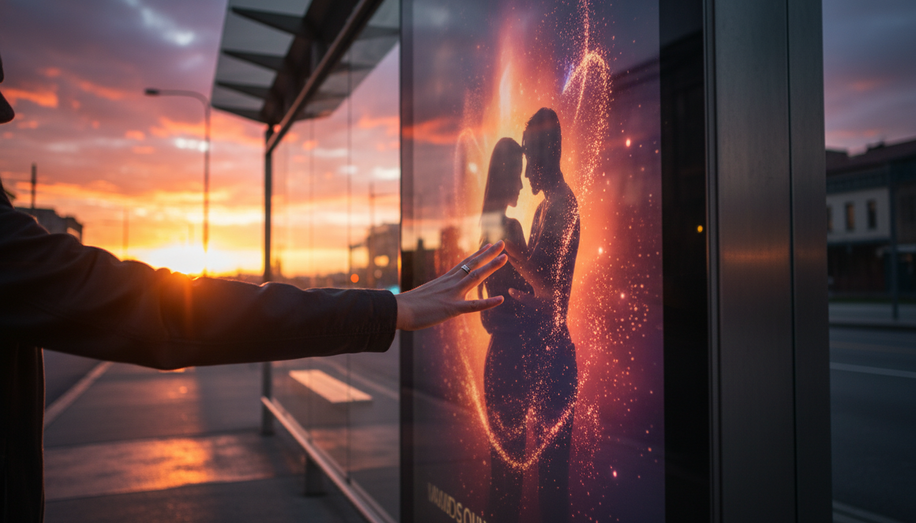

In the relentless urban landscape, where billboards flicker past commuters and posters vie for split-second glances, out-of-home (OOH) advertising has evolved beyond mere visibility into a profound emotional force. Campaigns that master this art don’t just sell products; they stir the soul, forging bonds that linger long after the ad fades from view. By tapping into surprise, nostalgia, fear, or joy, brands create resonant experiences that drive recall, sharing, and action.
Psychological research underscores why emotions reign supreme in OOH. Humans process feelings faster than facts, with decisions often rooted in sentiment before rational justification follows. An ad evoking happiness, curiosity, or even outrage bypasses the brain’s filters, imprinting itself as a vivid memory. Studies reveal that surprising elements—optical illusions, interactive installations, or ironic twists—grab immediate attention, amplifying emotional depth and boosting retention rates far above predictable messaging. Neuroscience backs this: OOH stimuli rival the impact of a 15-second TV spot, triggering neural responses that embed brands in the subconscious.
Consider Pepsi Max’s “Unbelievable Bus Shelter” in London, where augmented reality transformed a mundane stop into a spectacle of UFO invasions and rampaging tigers. Commuters’ jaws dropped in surprise, blending thrill with brand delight, sparking viral shares and heightened engagement. Such interactivity doesn’t just surprise; it invites participation, turning passive viewers into active storytellers. Similarly, WWF’s desertification campaigns wield fear through stark imagery of cracked earth swallowing animals, igniting empathy and urgency. These visuals don’t preach; they provoke a visceral compassion that compels awareness and action.
Shock and sadness prove equally potent when handled with precision. Women’s Aid “Look At Me” campaign featured a bruised woman’s face on billboards, activated by facial recognition to plead for help only when passersby gazed directly. The raw encounter elicited outrage and empathy, fueling conversations on domestic abuse and amplifying the charity’s reach. Channel 4’s Handmaid’s Tale promotion took provocation further, plastering subway stations with dystopian slogans like “A woman’s place is at home.” Temporary fury mirrored the show’s themes, making the ads unforgettable and conversation starters.
Yet positive emotions often yield the deepest loyalty. Nostalgia campaigns, evoking retro eras through familiar icons or sentimental narratives, warm hearts and build trust. Humorous billboards—a witty one-liner at a traffic light or ironic visual pun—elicit smiles, enhancing recall while humanizing brands. Aspirational imagery stirs excitement, painting consumers as heroes in their own stories, while empathy-driven messages addressing shared struggles create profound resonance. Health awareness efforts during local festivals, for instance, weave cultural relevance with hope, turning ads into communal touchpoints.
Crafting these emotional masterpieces demands strategy. First, know the audience intimately: what surprises a Gen Z commuter won’t faze a suburban parent. Pair surprise with complementary feelings—humor softens fear, curiosity fuels joy—for layered impact. Simplicity reigns; cluttered designs dilute the punch. Technology elevates execution: QR codes, motion sensors, or AI personalization extend the moment, bridging OOH to digital realms for sustained connection. Storytelling weaves it all together, transforming billboards into mini-narratives that mirror real lives, far outpacing dry facts in influence.
Location amplifies emotion, too. An unexpected ad on a staircase or bathroom mirror catches minds off-guard, while contextually placed visuals—like festival-timed empathy plays—deepen relevance. Testing ensures resonance without alienation; what shocks one group may repel another.
Ultimately, emotionally charged OOH transcends impressions, cultivating loyalty through shared human experience. As ad saturation grows, these campaigns stand out not by shouting louder, but by touching deeper. Brands daring to evoke—whether through laughter, tears, or wonder—don’t just capture eyes; they claim hearts, proving that in advertising’s crowded arena, feeling is the ultimate currency.