
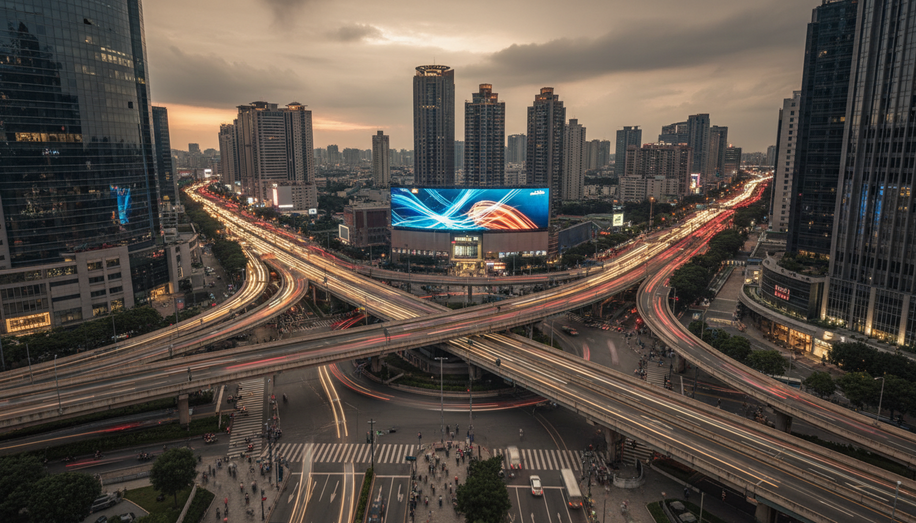

In the bustling corridors of modern cities, where billboards loom over highways and digital screens flicker in urban plazas, out-of-home (OOH) advertising is undergoing a profound transformation. No longer reliant on gut instinct or outdated traffic counts, marketers are harnessing aggregated, anonymized mobile proximity data to map the invisible rivers of human movement, pinpointing the perfect spots to capture attention and drive action.
This data revolution begins with understanding how people actually navigate their world. Commuter traffic analytics, drawn from vast pools of anonymized GPS signals from mobile devices, reveal peak travel hours, vehicle dwell times, and origin-destination patterns—where audiences live, work, and play. For instance, a real estate developer in Atlanta analyzed weekday flows along the I-75 corridor, discovering that 72% of drivers matched their target suburban buyer profile. This insight not only tripled campaign relevance but slashed cost per impression by nearly 40%, proving that strategic placement trumps sheer volume. Such patterns evolve with socio-economic shifts or events like pandemics, allowing planners to compare historical footfall at OOH sites against brand outlets for precise impact forecasting.
At the heart of this approach lies mobile proximity data, which tracks anonymized device journeys without invading privacy. Companies like Billups map these paths against OOH inventory, cross-referencing GPS pings to determine billboard exposures along daily routes. This creates a digital blueprint of audience behavior: a fitness brand might favor routes near gyms and campuses frequented by health-conscious millennials, while a fast-food chain targets high-traffic zones buzzing with potential customers based on prior visits to competitors. Demographic overlays—age, income, shopping habits—further refine the picture, ensuring ads resonate with real-world lifestyles rather than assumptions.
Proximity technology elevates this from mapping to measurement. Mobile geofencing draws virtual boundaries around billboards or bus routes, capturing device IDs that pass through and monitoring subsequent actions like store visits or website traffic. In one automotive campaign, geofences around key billboards reached 180,000 unique devices, attributing 12,000 store visits and a 21% web traffic spike from targeted areas. Viewshed mapping takes it further, defining visible zones from a billboard’s vantage and collecting audiences for retargeting via connected devices—radial geofences or precise roadway traces ensure no impression goes untracked. Beacon tech complements this by detecting Bluetooth-enabled phones in close range, yielding real-time foot traffic and engagement metrics.
The payoff extends to competitive edges and revenue optimization. Location data enables poaching rivals’ customers by placing OOH near their outlets or launching digital retargeting when prospects linger nearby. Inventory owners price premium spots based on proven footfall, while brands bridge OOH with mobile ads for hyper-targeted follow-ups, boosting recall and conversions. For brick-and-mortar retailers, the challenge of linking exposures to physical visits dissolves as proximity data verifies journeys from ad to store.
Privacy remains paramount in this data ecosystem. All signals are aggregated and anonymized, stripping away personal identifiers to comply with regulations while delivering actionable intelligence. Partners like SafeGraph and NativeTouch provide these scrubbed datasets, focusing on patterns rather than individuals. This ethical foundation has fueled OOH’s resurgence, with the global market projected to hit $33 billion by 2027 at a 13.41% CAGR, underscoring data’s role in reclaiming relevance amid digital dominance.
Yet, the true power lies in synthesis: combining proximity data with points-of-interest (POI) overlays reveals not just movement, but intent. A billboard near affluent neighborhoods, informed by visitor origins, crafts messaging for high-end shoppers; proximity to arenas flags event-goers for timely promotions. Performance attribution ties it all together—impression verification via GPS, brand recall studies, and online spikes—turning OOH into a science-backed powerhouse.
As cities pulse with ever-shifting mobility, mobile proximity data equips OOH strategists to anticipate and intercept. Effortless Outdoor Media’s Atlanta successes, Billups’ journey mapping, and OUTFRONT’s viewshed retargeting exemplify how this intelligence maximizes strategic reach. What was once an art of educated guesses has become a precision tool, ensuring every ad placement lands where minds—and markets—are most fertile. Forward-thinking brands that master this mapping will not just be seen; they will be remembered, acted upon, and rewarded.