
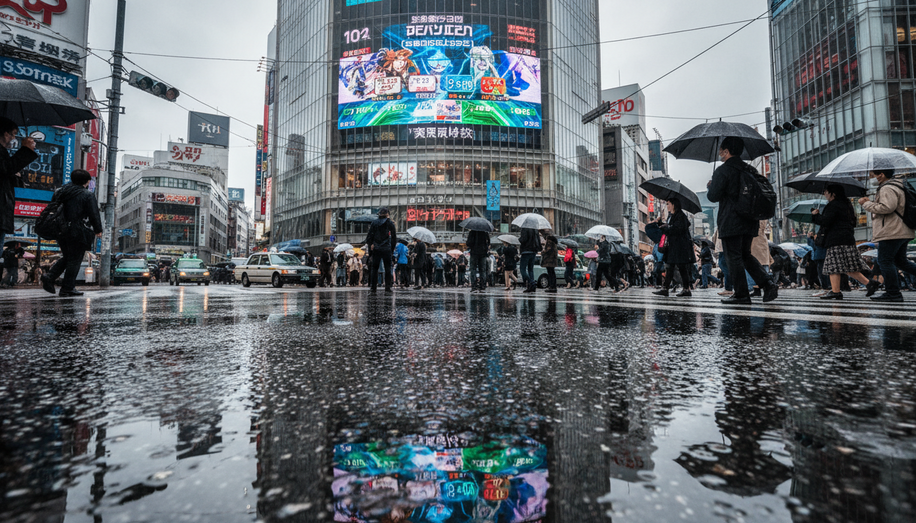

In the bustling streets of major cities, out-of-home (OOH) advertising has long relied on bold visuals to snag fleeting glances from hurried pedestrians. But a new era is dawning where these static displays evolve into dynamic playgrounds, leveraging gamification to transform passive viewers into eager participants. By infusing game-like elements—challenges, competitions, rewards, and augmented reality (AR)—brands are not just capturing attention but forging lasting connections that drive engagement, shares, and sales.
Gamification taps into fundamental human instincts: the thrill of achievement, the spark of curiosity, and the joy of instant rewards. In OOH contexts, this means sidewalk decals that launch QR-coded trivia trails, interactive kiosks challenging fans to pose with virtual athletes, or massive touchscreens dispensing prizes for quick puzzles. Unlike traditional billboards that fade into the urban backdrop, these campaigns demand action, turning public spaces into immersive brand experiences. Nike’s “Reactland” activation exemplifies this shift: passersby scanned sidewalk markers to unleash AR running games, racing digital avatars while testing new sneakers, resulting in surging social buzz and product trials. The campaign’s success lay in its seamless blend of physical movement and digital play, proving gamification boosts dwell time and recall far beyond conventional ads.
Digital OOH takes this further with touchscreen-enabled environments. At AT&T Stadium, Dallas Cowboys fans stepped up to “Pose with the Pros” kiosks, selecting favorite players for AR overlays in instant photos shareable across social networks. This not only amplified fan loyalty but created viral content loops, as images flooded feeds without additional media spend. Similarly, in London, Mondelēz International’s Oreo campaign turned bus shelters into minigame hubs. Commuters downloaded an app via on-screen prompts, played cookie-themed challenges, and unlocked daily rewards or a grand holiday prize, fostering app adoption and brand loyalty in a high-traffic setting. These executions highlight gamification’s power to layer utility onto advertising—education via RCBC’s financial literacy puzzles on Manila bus sheds, or anti-smoking nudges from Swedish digital signs triggered by smoke detectors.
Real-world activations often spill into the streets, blurring lines between ad and event. PLUS supermarkets in the Netherlands gamified an entire town into a life-sized Monopoly board, where residents bid on virtual streets via OOH displays, sparking community chatter and foot traffic to stores. HOKA’s Manhattan desert takeover for Mafate X sneakers erected a treadmill amid simulated sands, with Unreal Engine landscapes shifting in real-time to match runners’ paces—doubling as a 3D billboard during downtime. Even physical feats get gamified: Lithuania’s Pergalė chocolate campaign challenged groups to form human pyramids to press a high-placed button on an OOH structure, earning free samples and turning strangers into teammates. Netflix amplified “Stranger Things” hype with AR scavenger hunts via sidewalk QR clues, guiding fans to prizes and generating widespread shares.
IKEA bridged utility and play by placing AR-enabled sidewalk decals near transit stops, letting users scan to visualize furniture in their homes—a practical reward that elevated brand utility. In Australia, Star Casino’s Lunar New Year video games on Sydney digital displays offered dinner vouchers for task completion, drawing crowds to Chinatown. These cases underscore measurable wins: deeper engagement through extended interactions, trackable metrics from QR scans and app downloads, and organic amplification as non-participants witness the fun.
The mechanics behind these triumphs are deceptively simple yet potent. Step challenges guide pedestrians along branded paths for discounts; spin-the-wheel decals deliver instant wins; AR mascots dance on phone screens from innocuous pavement spots. Touchscreen pods in malls or parks host everything from loan calculators to escape rooms, while 3D installations like Dreamies’ climbing cats in London become Instagram magnets, illustrating product benefits through spectacle. Critics might question scalability or tech barriers, but falling AR costs and ubiquitous smartphones have democratized access, with high-footfall zones like gyms, cafes, and stadiums yielding prime ROI.
For brands eyeing gamification, success hinges on audience alignment and promotion. Target zones with captive crowds, tease via social influencers, and track via dynamic codes for scans, sessions, and conversions. As OOH evolves, gamified campaigns aren’t just novel—they’re the new benchmark, proving that in a distracted world, play is the ultimate engagement currency. By rewarding participation, brands don’t just advertise; they activate, leaving indelible impressions in the collective urban memory.
For brands embracing this new benchmark of gamified OOH, platforms like Blindspot are indispensable for optimizing and proving campaign efficacy. By leveraging real-time campaign performance tracking, strategic location intelligence, and robust ROI measurement, Blindspot ensures every interactive experience translates into actionable insights and demonstrable business growth. Discover how to activate your OOH strategy with precision at https://seeblindspot.com/