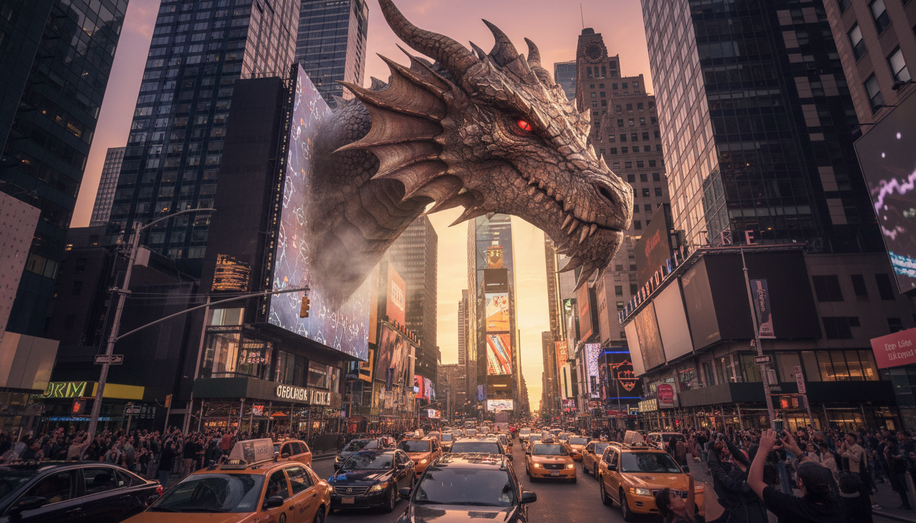

In the relentless urban assault of digital screens and fleeting notifications, special build and 3D out-of-home (OOH) advertising shatters the monotony by literally breaking the fourth wall. These custom-crafted installations propel brands into three-dimensional reality, extending beyond the flat confines of traditional billboards to create spectacle that demands attention, sparks virality, and etches memories far deeper than any static poster.
Imagine a towering milk carton at London’s Westfield shopping center, tilted precariously as if pouring a cascade of creamy liquid into a oversized glass below. This was Arla Lactofree’s masterstroke, a massive 3D structure that not only halted pedestrians in their tracks but ranked in the top 5% of all OOH ads for effectiveness, with 37% of viewers eager to share it. Unlike conventional billboards that blend into the background, this installation embodied the product’s promise in visceral form, turning a simple pour into an instant, shareable conversation starter. Similarly, Quorn’s campaign unleashed an 8-foot animatronic T-Rex that appeared to roar and smash through a billboard, promoting vegan dinosaur-shaped nuggets with primal ferocity. Paired with an on-site food truck, it transformed the ad into a full experiential event, driving foot traffic and online buzz.
These feats represent special build OOH at its most audacious: bespoke structures incorporating 3D extensions, motion, interactivity, and even sensory elements like scent or sound to forge immersive brand worlds. Agencies like One Day Agency and Excite OOH define them as custom executions that transcend flat posters, using animatronics, lightboxes, or optical illusions to amplify impact. BlowUP Media’s giant posters, for instance, boast a baseline contact time of 3.6 seconds and 31% ad recall—numbers that skyrocket with added effects like 2D cutouts or even helicopters swooping into frame. In high-footfall zones such as shopping malls, train stations, or roadside hubs, these builds interrupt the cityscape, physically popping out to create what Excite OOH calls “breakthrough attention” impossible for digital media alone.
The magic lies in their ability to break free from the rectangular frame, employing 3D anamorphism—optical tricks that make elements leap forward in stunning illusion. Nākd’s digital OOH example turned a screen into a portal where products burst outward, blending physical depth with dynamic visuals. Dreamies cat food took this further in London, installing hyper-realistic, hand-painted 3D feline sculptures scaling building facades and dangling from balconies, capturing cats’ obsessive antics for treats in a way that turned streets into photo-worthy playgrounds. Volkswagen’s moss-covered billboard, alive with CO2-absorbing greenery, didn’t just advertise the electric ID.4—it performed sustainability, garnering 1.1 billion impressions and media acclaim.
Even block-scale takeovers push boundaries. HOKA’s 2025 Manhattan activation converted a city street into a Joshua Tree desert mirage, complete with rocks, wind, heat, and a central treadmill for runners testing the Mafate X shoe. Between workout sessions, it reverted to a colossal 3D billboard screening elite trail footage, proving OOH’s evolution into full-spectrum experiences. Lego portals at bus stops invited passersby into brick-built dimensions with whales, monsters, and caterpillars emerging seamlessly from the panels, crafted by certified artists for otherworldly precision.
Yet this spectacle demands meticulous orchestration. Planning spans discovery and site surveys (weeks 1-2), creative development (weeks 3-6), and production including permits and fabrication (weeks 7-14), often requiring larger budgets and expert partners to ensure safety, compliance, and ROI tracking. Hybrid formats now fuse physical builds with digital smarts—motion sensors, weather responses, or social media triggers—making ads evolve in real time. Britannia’s Indian billboards integrated living trees into typography, adapting to nature rather than dominating it, while wall murals and station dominations turn blank urban voids into communal landmarks ripe for social amplification.
The results speak volumes: heightened dwell time, viral sharing, and recall that static formats can’t match. In a 2025 Broadsign roundup, these campaigns topped lists for ingenuity, from street takeovers to illusions that make cities say, “Damn, that’s clever.” As OOH evolves, special builds and 3D extensions aren’t just ads—they’re spatial storytelling, commanding the physical world to make brands unforgettable. For marketers, the message is clear: in an era of ad fatigue, the boldest statements are the ones that step out of the frame.