

In the bustling streets of Vancouver in 2019, a small grocery store named East West Market turned grocery bags into a global conversation starter. Their “Embarrassing Plastic Bags” campaign featured reusable canvas totes emblazoned with awkward slogans like “I’m embarrassed to carry this” and “My mom says I’m special,” shaming single-use plastics while promoting eco-friendly alternatives. The stunt slashed plastic bag usage in the store to just 4 percent, as customers flocked to reusable options, sharing photos online and even traveling cross-country for the bags. This unorthodox out-of-home (OOH) activation demonstrated how everyday objects could amplify environmental activism, blending humor with a clear call to reduce waste.
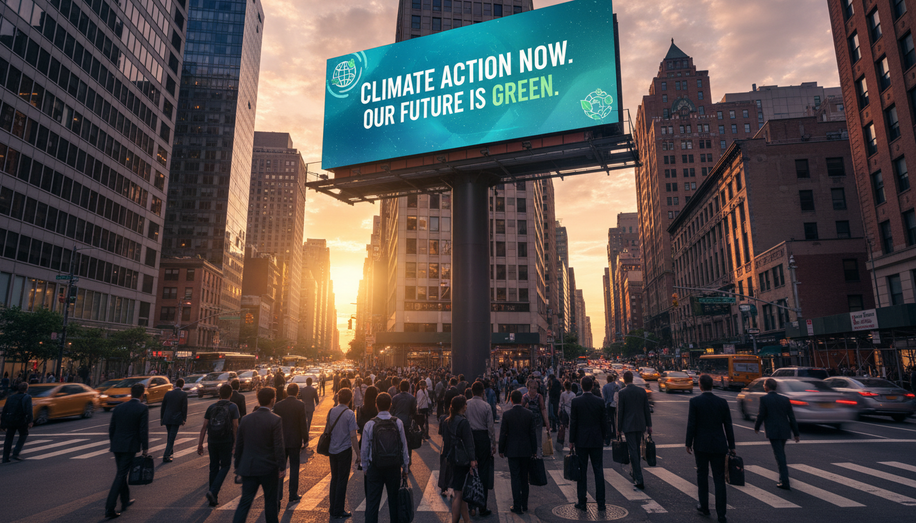
Such campaigns exemplify a growing trend where non-profits, NGOs, and socially conscious brands leverage OOH to drive social change. Unlike digital ads confined to screens, OOH infiltrates public spaces—billboards, bus stops, projections—for unavoidable impact. In 2021, Dole’s “Malnutrition Facts” initiative plastered U.S. cities like New York, Los Angeles, and Baltimore with guerrilla-style posters on trash cans, dumpsters, and building projections mimicking nutrition labels but highlighting malnutrition statistics. These visuals tied into Dole’s “Sunshine for All” project, spotlighting food insecurity and inviting consumer involvement through a dedicated website offering recipes, facts, and donation links. The campaign built emotional ties, proving brands could use OOH to align with values like sustainability and health equity.
Non-profits have long mastered OOH’s activist potential, often through subversive tactics. Brandalism, a grassroots collective, has hijacked billboards worldwide since 2012, replacing corporate ads with artist-created works critiquing consumerism and climate inaction. During the 2015 Paris climate conference, they swapped 600 ad spaces undetected, using high-visibility vests for cover, to challenge power structures and spark public discourse. More recently, in 2025, Greenpeace’s “They Can’t Arrest This Billboard” campaign lit up digital screens in London, Birmingham, and Manchester. Responding to UK protest restrictions, the displays cycled protest messages that authorities couldn’t remove, turning OOH into a dynamic platform for free speech and environmental advocacy.
Corporate brands are increasingly following suit, embedding activism into their OOH strategies to foster loyalty among values-driven consumers. Purina’s 2020 “Street Vet” in Paris used interactive digital billboards scanning passersby’s dogs via facial recognition to assess health, raising awareness about pet wellness while positioning the brand as a caring advocate. Similarly, outdoor giants like The North Face, REI, and Patagonia pulled Facebook ads in 2020 as part of the NAACP’s #StopHateForProfit, condemning hate speech and owning their histories of racial insensitivity. Though some critics labeled it virtue signaling, these moves—paired with Juneteenth observances and employee protest time—signaled genuine corporate responsibility, reshaping industry norms.
OOH’s power lies in its context-aware creativity, making activism tangible and immediate. IKEA’s Stockholm campaign addressed cool summer weather by installing heated bus stop seats branded with “Out of Service” signs, solving a local pain point while reinforcing community care. Greenpeace and agency Elvis took it further in a COP26 tie-in, redirecting OOH budget to rewild farmland with the Cheshire Wildlife Trust. A 500-square-meter seed-paper poster transformed into a wildflower meadow, complete with ponds and native plants, turning media spend into literal habitat restoration. This “real OOH” blurred lines between advertising and action, proving environmental pledges could yield measurable ecological gains.
Yet success demands authenticity; performative efforts risk backlash. Target’s 2025 activism push, amid cultural debates, reportedly cost $12 billion in value, underscoring that consumers discern genuine commitment from opportunism. Effective campaigns connect products to causes: MSC’s “Buy Blue, Protect Dinner” reframed seafood labels as ocean-saving choices, running across OOH and social to link shelf decisions with sustainability, backed by retailers like Tesco. Dole echoed this by tying malnutrition ads to their fund, while East West Market’s bags made anti-plastic stance participatory.
As OOH evolves with digital out-of-home (DOOH) tech—weather-triggered ads like Rain-X’s rain-activated pitches or 3D installations like Decathlon’s snorkel mask spectacles—activists and brands gain precision. Projections, AR interactions, and real-time adaptability amplify reach, from urban protests to global awareness drives. Non-profits like Brandalism subvert spaces corporations once dominated, while brands like Purina and Dole humanize issues, fostering emotional bonds.
In an era demanding corporate accountability, OOH stands out for its unignorable presence. By championing causes—from plastic reduction to racial justice—these campaigns don’t just advertise; they mobilize. East West Market’s bags, Greenpeace’s unarrestable billboards, and Dole’s gritty posters show OOH’s dual role: raising awareness and inspiring action. For socially conscious entities, it’s a canvas where values meet visibility, driving change one public encounter at a time.