
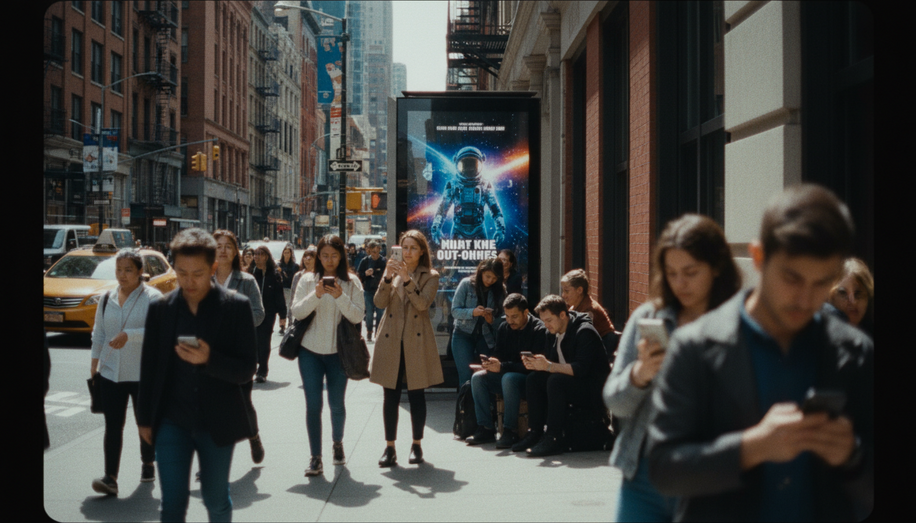

In the bustling intersection of physical billboards and smartphone screens, geofencing emerges as the invisible thread weaving out-of-home (OOH) advertising into the digital realm, transforming passive impressions into active consumer journeys. This technology draws virtual boundaries around OOH displays—be it a towering billboard on a highway or a bus shelter in a shopping district—using GPS, Wi-Fi, or RFID to detect mobile devices entering the zone. Once a consumer passes by, their device triggers tailored digital ads, creating sequential messaging that nudges them from awareness to action with unprecedented precision.
The mechanics are elegantly straightforward yet profoundly effective. Advertisers first map geofences via location intelligence platforms, calibrating boundaries to match the ad’s visibility—perhaps a tight radius around a single billboard or a broader polygon encompassing a transit hub. As vehicles or pedestrians traverse these zones, the system logs anonymized device IDs from apps with location services enabled, capturing foot and vehicle traffic without invasive tracking. Programmatic platforms then serve retargeted mobile ads, syncing visuals and messaging from the physical display to reinforce the brand encounter. A commuter glimpses a promotion for running shoes on a roadside billboard during rush hour; hours later, while browsing social media at home, the same bold imagery appears with a clickable discount code.
This synergy addresses OOH’s historical Achilles’ heel: measurability. Traditional outdoor ads excel at broad reach and instant brand recall, but linking exposure to outcomes has long been elusive. Geofencing changes that by providing attributable data—engagement rates, click-throughs, store visits, even conversions—allowing marketers to quantify ROI and refine placements. E-commerce brands, in particular, thrive here, bridging offline discovery with online purchases. A study of integrated campaigns shows higher conversion metrics when geofencing follows OOH impressions, as consumers experience a seamless omnichannel narrative rather than disjointed blasts.
Consider real-world applications across industries. For outdoor recreation brands, geofences around trailheads, marinas, or golf courses deliver context-aware ads to enthusiasts in the moment—pairing a billboard near a campsite with mobile promotions for gear rentals. Stadium-adjacent billboards geofence event-goers, retargeting them with nearby restaurant deals or merchandise upsells, boosting multi-channel engagement. Retailers synchronize this with adaptive tactics: weather-triggered offers if rain hits a fenced shopping district, or event-tied messaging during local festivals. Even competitive plays work, like fencing rival stores to intercept shoppers with superior promotions.
The advantages compound. Precise targeting slashes ad waste, focusing budgets on proven-interest audiences for superior engagement over generic digital buys. Sequential messaging builds familiarity—first the static OOH spark, then dynamic digital fuel—elevating recall and intent. Data analytics from these loops enable real-time tweaks: reallocating spend to high-performing fences or demographics showing foot traffic spikes. Best practices underscore success: pair eye-catching OOH creatives with complementary mobile assets for unified impact; define clear goals like foot traffic or app downloads upfront; and leverage platforms for seamless integration.
Challenges persist, of course. Privacy regulations demand transparent opt-ins and anonymized data handling, while optimal fence sizing requires balancing capture breadth against accuracy to avoid false positives from mere passersby. Battery drain from constant location pings can deter users, though advancements in efficient tech mitigate this. Yet, as programmatic ecosystems mature, these hurdles fade against the gains: campaigns that not only reach but resonate, turning every billboard glance into a measurable digital handshake.
Forward-thinking agencies now position geofencing as OOH’s evolution, not add-on. Effortless Outdoor Media and EMC Outdoor champion integrated strategies, where billboards initiate full-funnel funnels via retargeting and attribution. Adams Outdoor’s Capture tool exemplifies this, geoframing impressions to fuel digital attribution. For brands, the message is clear: in a hyper-connected world, ignoring this bridge risks leaving physical displays stranded while competitors orchestrate orchestrated pursuits from street to screen.
Ultimately, geofencing redefines OOH not as a relic of mass media but as a precision launchpad for personalized engagement. By harmonizing the tangible allure of larger-than-life displays with the intimacy of mobile moments, marketers craft journeys that feel serendipitous yet surgically targeted—driving loyalty, sales, and a new era of advertising accountability.