
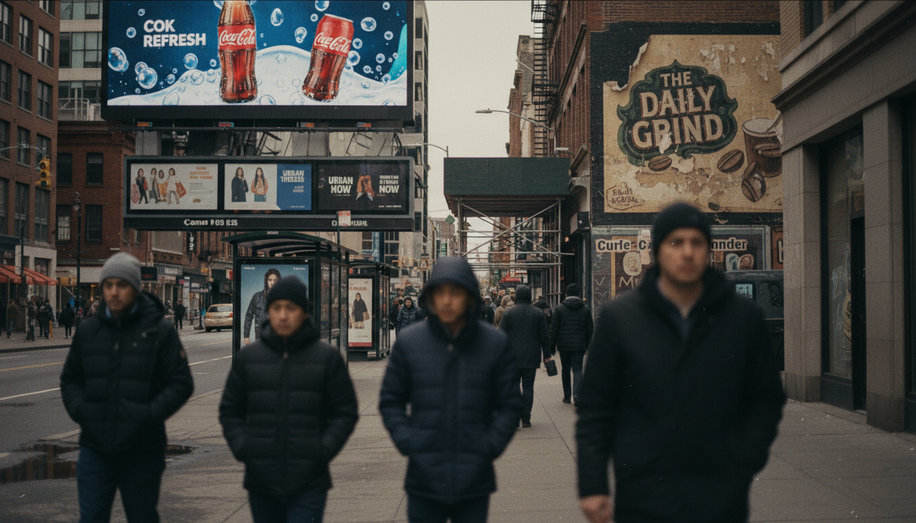

In the high-stakes world of modern marketing, out-of-home (OOH) advertising has evolved far beyond mere visibility, emerging as a powerhouse for guiding consumers through every twist of the customer journey. Once dismissed as a top-funnel blunt instrument, OOH now delivers precision strikes across awareness, consideration, conversion, and loyalty stages, blending massive reach with data-driven targeting to drive measurable results. As brands grapple with fragmented media landscapes, strategic OOH placement turns passive passersby into loyal advocates, proving its worth in an era where full-funnel accountability reigns supreme.
At the awareness stage, the top of the funnel demands broad, unmissable exposure to introduce brands to vast audiences. Here, OOH excels with its unparalleled scale—90% of U.S. residents aged 16 and older notice OOH formats monthly, casting a wide net over unaware prospects. Billboards along highways or in high-traffic urban corridors serve as prime real estate for this phase, capturing eyes during daily commutes or travels. Consider a home security company erecting a bold billboard in a neighborhood plagued by break-ins; the stark imagery of a fortified home instantly plants the seed of brand recall without requiring active engagement. Transit ads on buses or subway wraps amplify this further, reaching diverse demographics in motion. For a national beverage launch, placing vibrant posters at major airports and train stations floods the market with visual storytelling, sparking curiosity among millions who might otherwise scroll past digital noise. These tactics prioritize frequency and impression volume, ensuring the brand name sticks as consumers enter the funnel.
Transitioning to the interest and consideration stages, mid-funnel OOH shifts from broad blasts to nurturing engagement, building trust and differentiation. Prospects now seek information, weighing options amid growing intent. Street-level formats like bus shelters, digital kiosks, and mall displays shine here, offering proximity and dwell time for deeper messaging. A skincare brand, for instance, could deploy interactive digital screens in shopping districts prompting quick quizzes via QR codes—scan for personalized recommendations, mirroring tactics that collect emails and foster dialogue. These placements target high-context environments where consumers linger, such as near retail clusters. Automotive marketers leverage directional signage on arterial roads leading to dealerships, featuring comparison charts or customer testimonials to sway deliberations. Research underscores OOH’s mid-funnel potency: 42% of viewers search for the advertiser on their mobile devices post-exposure, bridging physical ads to online research and nudging fence-sitters toward preference. By layering social proof—awards, reviews, or user-generated content—OOH humanizes the brand, transforming passive interest into active consideration without the creep factor of intrusive digital retargeting.
The conversion stage marks the funnel’s bottom, where intent crystallizes into action, and OOH deploys urgency and frictionless calls-to-action in high-conversion zones. Proximity to point-of-purchase is key: think geo-targeted digital billboards near stores or experiential wraps on delivery vans. A cleaning products company might flash a money-back guarantee on screens above store entrances, alleviating last-minute doubts and prompting immediate visits—20% of viewers act right away on directional OOH cues. Fast-food chains master this with highway exit ramps advertising limited-time offers, complete with exit numbers and app-download prompts, streamlining the path from sighting to swipe. Retailers amplify with airport dioramas or stadium jumbotrons touting flash sales, where impulse aligns with opportunity. These placements leverage OOH’s real-time adaptability—digital formats rotate messages based on time, weather, or events—while integrating with mobile for seamless tracking, from ad view to till ring.
Even post-purchase, OOH sustains momentum in the loyalty stage, fostering retention and advocacy to refill the funnel organically. Loyalty tactics emphasize community and reward, placed in post-transaction touchpoints like grocery store endcaps or gym transit hubs. A loyalty program for a coffee chain could feature subway ads showcasing member perks—free upgrades for referrals—encouraging repeat visits and word-of-mouth. Airlines reinforce this with airport lounge-facing billboards highlighting elite status benefits, turning satisfied customers into evangelists. By measuring uplift in repeat purchases via integrated analytics, brands quantify OOH’s role in extending lifetime value, closing the loop on full-funnel efficacy.
Strategic OOH deployment demands a symphony of placement science: audience mapping, directional flow analysis, and cross-channel synergy. Tools like geofencing pair OOH with digital retargeting, while metrics track lift from impressions to sales. In fragmented journeys, OOH’s physicality cuts through screen fatigue, delivering tangible impact at every stage. For marketers, the lesson is clear: ignore it at your peril, as this medium navigates the funnel with unmatched agility, turning strangers into superfans one strategic placement at a time.