
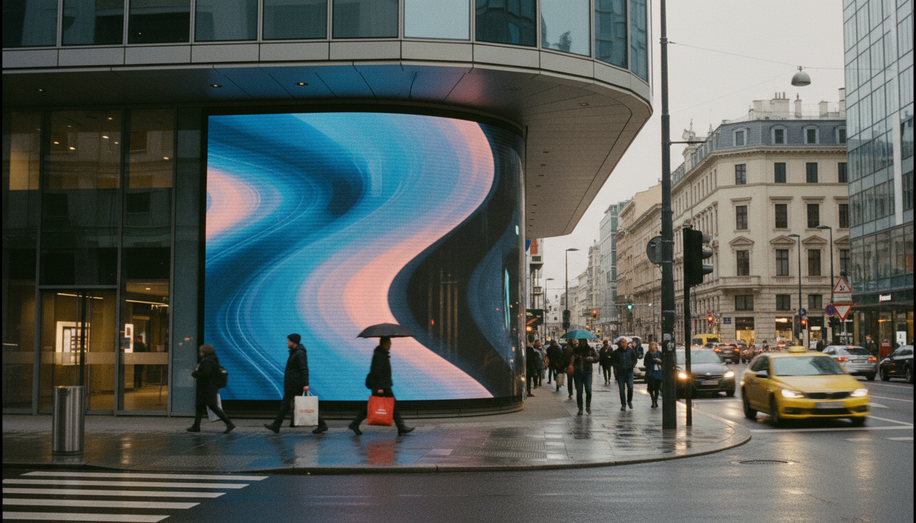

In the rapidly evolving urban environments of 2026, the out-of-home (OOH) advertising industry faces a dual challenge: complying with tightening municipal regulations and zoning laws while aligning with ambitious smart city initiatives. Companies are future-proofing their operations by embracing digital innovations and proactive advocacy, ensuring billboards and displays remain integral to cityscapes amid projected market growth to $9.89 billion this year. This adaptation not only sustains revenue but positions OOH as a sustainable partner in urban development.
Federal frameworks like the Highway Beautification Act (HBA), enacted in 1965, continue to shape the landscape, mandating states to exert “effective control” over outdoor advertising along federal highways or risk losing 10 percent of federal-aid highway funds. The act prohibits billboards in non-commercial zones and enforces strict size, spacing, and lighting standards, while local ordinances often impose even tougher restrictions on nonconforming signs, barring substantial alterations or expansions. These rules, compounded by state-level measures, create a patchwork of compliance hurdles. In California, for instance, Senate Bill 783 extends the lifespan of certain off-premises displays in former redevelopment agency project areas until January 1, 2030, providing a four-year reprieve from stricter classifications under the Outdoor Advertising Act. Such extensions highlight how legislative tweaks can preserve existing inventory, but they also underscore the need for vigilance as deadlines loom.
Municipal zoning laws add another layer of complexity, with cities wielding authority over sign placement, sizing, lighting, and content to preserve aesthetics and safety. Permits are mandatory for most installations, even temporary ones like posters or banners, and violations invite fines or forced removals. As urban planners prioritize pedestrian-friendly streets and reduced visual clutter, OOH operators must navigate bans on new billboards in historic districts or high-density residential zones. Yet, industry groups like the Out of Home Advertising Association of America (OAAA) advocate effectively, pointing to historical amendments such as the Cotton Amendment and Bonus Act that carved exceptions for interstate highways, albeit now as unfunded mandates. This advocacy fosters dialogue, turning potential adversaries into collaborators.
Smart city planning amplifies these pressures, integrating OOH into visions of connected, data-driven metropolises. Initiatives emphasizing sustainability demand energy-efficient displays, prompting a shift toward digital out-of-home (DOOH) formats that comprise 45.2 percent of OOH budgets by 2028 projections, up from 22 percent in 2016. Hyperlocal smart billboards, equipped with sensors, GPS, and AI, dynamically adjust content based on traffic, weather, or events—boosting action rates by 6 percent and purchase intent 1.3 times over static ads—without relying on invasive personal data. These “helpful, not intrusive” technologies align with urban goals, minimizing energy waste and enhancing relevance in high-traffic zones like Los Angeles’ Sunset Boulevard. Weather-resistant LED panels further ensure durability against harsh conditions, making DOOH a resilient choice for evolving city infrastructures.
Regulatory shifts, including emerging “LHF rules” and self-regulation efforts, are met with programmatic buying and real-time attribution tools that link billboard exposures to online actions, proving ROI without digital’s brand safety pitfalls. OOH’s independence from platform ecosystems—no cookies, no ad blockers—delivers unskippable reach to fragmented audiences, reclaiming attention as digital saturation erodes trust. Agencies now treat static and digital assets cohesively, using geo-targeting near stores, transit hubs, or events to diversify venues from roadways to retail spaces and even waterways. This strategic expansion complies with zoning by favoring smaller, context-aware placements in gyms, theaters, or healthcare facilities, fostering immersive storytelling that resonates locally.
Sustainability drives deeper integration. Cities pursuing net-zero goals favor low-emission DOOH over traditional static boards, while self-regulatory frameworks at local, European, and global levels address complaints about content and placement, promoting ethical practices. In 2026, OOH operators collaborate on urban planning councils, proposing displays that double as public service announcements—traffic updates, event info, or emergency alerts—enhancing civic value. Programmatic platforms enable rapid compliance swaps, ensuring ads meet lighting curfews or content restrictions in real time.
Challenges persist, particularly in Europe and Asia where stricter aesthetic controls clash with growth ambitions. Nonconforming signs face amortization phases, forcing reinvestment in compliant tech. Yet, the industry’s response—hybrid campaigns blending OOH with digital for hybrid lift, advanced metrics via audience ratings—demonstrates resilience. Forecasts show sustained spending, with DOOH innovations yielding 88 percent premium lifts in awareness and top-of-mind recall.
By prioritizing compliance, innovation, and partnership, the OOH sector not only navigates regulatory mazes but thrives within them. As cities densify and smarten, billboards evolve from mere ad spaces into dynamic urban assets, securing sustainable growth in a regulated world. This future-proofing ensures OOH’s enduring presence, delivering authentic connections where consumers live, work, and move.