
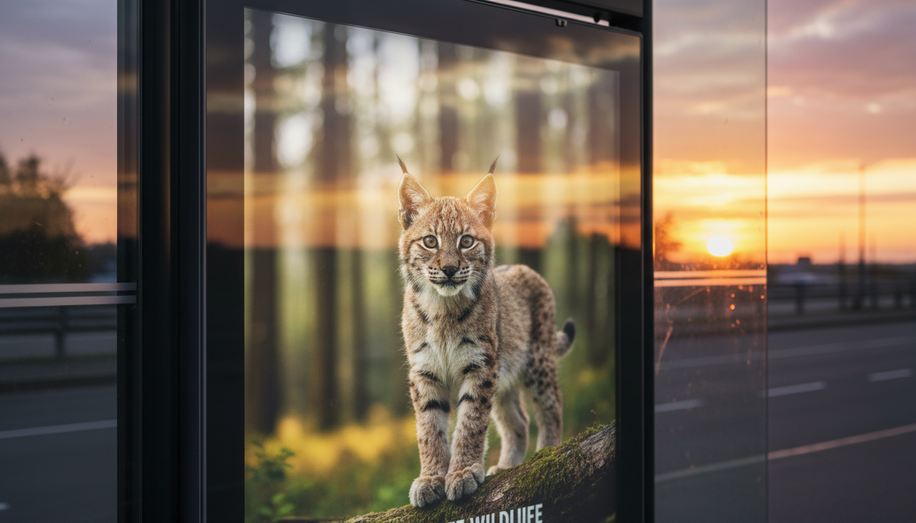

In bustling city squares and along highways teeming with commuters, out-of-home (OOH) advertising has evolved from mere brand promotion into a potent force for social good. Non-profits and brands alike harness massive billboards, transit wraps, and digital screens to spotlight critical issues, forging emotional connections that spur community action and lasting change. This fusion of OOH with cause marketing amplifies messages in ways digital ads often cannot, delivering unavoidable visual impact amid daily routines.
Consider Compassion in World Farming’s 2010 “Cows Belong in Fields” campaign, which blanketed buses across the United Kingdom with stark imagery urging an end to mega-dairies. The ads didn’t just raise awareness; they included direct calls to action, prompting viewers to donate and contact lawmakers. This strategic use of transit media fueled public debate, expanded media coverage, and advanced policy discussions on animal welfare, proving OOH’s power to mobilize citizens around ethical farming practices.
Brands entering the fray have similarly transformed OOH into vehicles for empathy and engagement. Coca-Cola’s 2011 Arctic Home partnership with the World Wildlife Fund redefined its iconic red cans—distributed at 1.4 billion units across North America—as white polar bear-themed symbols of conservation. Complementing this were OOH elements like billboards and installations featuring donation codes via text, turning passive passersby into active supporters. The campaign not only boosted WWF’s efforts but also humanized Coca-Cola, blending corporate reach with genuine environmental advocacy.
Uber’s “Move What Matters” initiative during the early COVID-19 lockdowns offers another stark example. Rather than pushing rides, the company deployed OOH ads encouraging people to stay home while pledging 10 million free trips and deliveries for healthcare workers, seniors, and those in need. These placements, paired with filmmaker testimonials on the “new normal,” struck a resonant chord of solidarity, reinforcing Uber’s role in crisis response and driving widespread public appreciation.
Digital OOH takes this further, infusing interactivity that invites participation. Coca-Cola’s 2016 “Taste the Feeling” bus shelter activations in Singapore let commuters pose for Coke-filtered GIFs, unlocking QR-coded free drinks. While primarily promotional, such tactics mirror cause campaigns by rewarding engagement, as seen in heightened social shares and redemptions—principles non-profits could adapt for petitions or donations. Similarly, UNICEF’s guerrilla-style OOH has recreated the chilling wail of Ukraine’s air raid sirens on Helsinki screens, immersing viewers in the urgency of humanitarian crises to demand global attention and aid.
These efforts thrive on OOH’s inherent strengths: broad exposure in high-traffic zones, bold visuals that linger in memory, and shareable moments amplified by social media. A standout billboard or wrapped bus becomes a cultural touchstone, as with Apple’s “Shot on iPhone” displays featuring user-submitted photos, which achieved 90% brand retention through authentic storytelling. For causes, this translates to viral momentum; Compassionate Farming’s bus ads, for instance, leveraged everyday commutes to embed advocacy into public consciousness.
Yet success hinges on authenticity and timeliness. Bumble’s 2020 digital billboards, with their yellow glow and pandemic-era quips about isolation, generated 60 million impressions and app surges by acknowledging shared struggles without exploitation. Brands like Patagonia echo this in cause marketing, raising $10 million in one Black Friday via “100% for the Planet” pledges, often promoted through OOH to underscore commitment. Walgreens’ Red Nose Day, selling 12 million noses for $49 million in aid, targeted stores near children’s hospitals, using OOH to evoke social proof and local gratitude.
Guerrilla OOH adds shock value for deeper impact. The Milwaukee Bucks turned a river bridge green with transparent film for their playoff push, blending visibility with community pride—a tactic non-profits could repurpose for awareness stunts. Cheltenham Festival’s wrapped architectural pods near stations doubled as ticket hubs, merging promotion with immersion in a way that heightened event buzz while maintaining accessibility.
Challenges persist: measuring ROI beyond impressions requires tracking actions like donations or petitions, often via QR codes or geo-targeted follow-ups. Still, data underscores efficacy; Mad Mex’s programmatic digital OOH, tailored to sales data, reached 2.9 million and lifted sales 9%, a model for cause drives timing messages to peak relevance.
Ultimately, OOH’s physical presence cuts through digital noise, inspiring tangible community engagement. From policy shifts sparked by bus ads to billions of conservation cans, it proves that when non-profits and brands align on social causes, massive screens become catalysts for real-world change, fostering a more connected, responsive society.