
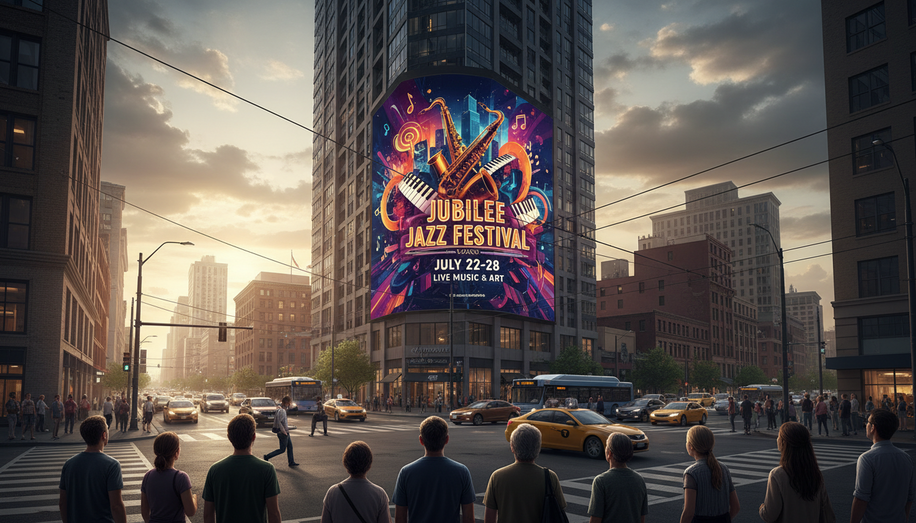

In the fast-paced world of out-of-home (OOH) advertising, brands are increasingly turning to cultural moments to cut through the noise and forge genuine connections with audiences. By synchronizing campaigns with festivals, holidays, social movements, or trending events, advertisers transform static billboards and digital screens into dynamic reflections of the zeitgeist, boosting relevance and recall. This strategic alignment not only amplifies visibility but also drives measurable engagement, as evidenced by campaigns that leverage local nuances to resonate deeply in diverse markets.
Consider Coca-Cola’s iconic “Share a Coke” initiative, which began in Australia in 2011 and expanded globally. The campaign swapped the brand’s logo for popular names on bottles, but its OOH execution shone through localized billboards and transit ads featuring region-specific names—Chinese characters in China, British monikers in the UK. These culturally tailored visuals encouraged sharing via social media with #ShareaCoke, generating over 500,000 Instagram photos and a 7% sales lift among young adults in Australia, with a 2% global uptick. For OOH specialists, the lesson is clear: timing placements around peak social seasons, like summer festivals or back-to-school periods, mirrors this personalization, making ads feel like invitations rather than interruptions.
McDonald’s “I’m Lovin’ It” slogan offers another blueprint for universal appeal with local flavor. Rolled out worldwide, its OOH components—billboards, bus wraps, and stadium screens—adapted to regional tastes, from spicy promotions during Diwali in India to family-oriented messaging during Lunar New Year in Asia. This balance of global consistency and cultural adaptation revitalized the brand, contributing to a 6% global sales increase in its first year. In OOH terms, brands can replicate this by deploying diverse formats: static boards for broad reach, digital out-of-home (DOOH) for real-time tweaks, and place-based media in cultural hubs like bars, barbershops, or event venues.
Recent data underscores the potency of this approach, particularly for multicultural audiences. A survey by the Out of Home Advertising Association of America (OAAA) and Morning Consult found that nearly 80% of consumers engaged with an OOH ad in the past 60 days, with nearly six in ten Black, Asian, and Hispanic Americans far more likely to notice ads reflecting their cultural identity—compared to just one in four white adults. Outfront Media’s analysis echoes this, noting 56% of Hispanic, 58% of Black, and 59% of Asian-American consumers respond strongly to culturally resonant OOH. UnitedHealthcare exemplified this in Los Angeles, erecting Korean-language billboards targeting Koreatown traffic, capitalizing on the bilingual nature of over half of the area’s 7 million Asian-American population, whose households spend 16% above average.
Strategic placement elevates these efforts further. EMC Outdoor’s campaign across six U.S. markets—Philadelphia to New York—achieved an 88% awareness lift by positioning ads in lifestyle environments like fitness centers, restaurants, and local events tied to cultural moments, supplemented by wrapped rideshare vehicles. This “cultural fluency” avoided generic billboards, instead fostering trust in communities where audiences feel seen. Fast-food giants in Indonesia have similarly triumphed, using OOH to hype seasonal menus during Ramadan or product launches amid national holidays, blending global branding with local festivities to win over consumers.
Integrating social media supercharges the impact. OOH’s physical presence sparks shareable moments, with studies showing mobile click-through rates rising up to 15% when paired with out-of-home exposure. Clear Channel Outdoor highlights how transit ads or stadium screens prompt users to snap and post, extending reach virally. Airbnb’s 2017 “We Accept” campaign, launched amid inclusivity debates, used OOH videos featuring diverse faces to evoke empathy, garnering 5 million views in a week and a 30% booking inquiry surge—proof that timely social responsibility sells.
Dove’s “Real Beauty” push further illustrates alignment with broader cultural shifts toward authenticity. Billboards and DOOH screens showcased unretouched women, sparking global conversations and a 20% sales jump, with market share doubling from 2% to 4% in the first year. Today, DOOH’s real-time capabilities allow brands to pivot instantly—swapping creatives for Pride Month rainbows or election-night commentary—while AI-driven data sharpens targeting.
Challenges persist, however. Authenticity demands research to sidestep missteps, like ignoring regional sensitivities, and multicultural inclusion requires nuanced execution, from multilingual creatives to representative imagery. Yet, the rewards are undeniable: OOH placed at cultural intersections doesn’t just advertise; it participates, driving awareness, sales, and loyalty in ways digital alone cannot match.
For brands eyeing 2026’s calendar—from Super Bowl halftimes to global climate summits—the path forward is deliberate integration. Partner with OOH experts versed in demographics and events, diversify formats for frequency, and layer in digital amplification. When executed with cultural intelligence, these campaigns turn fleeting moments into enduring brand affinity, proving OOH’s enduring power in a hyper-connected era.