
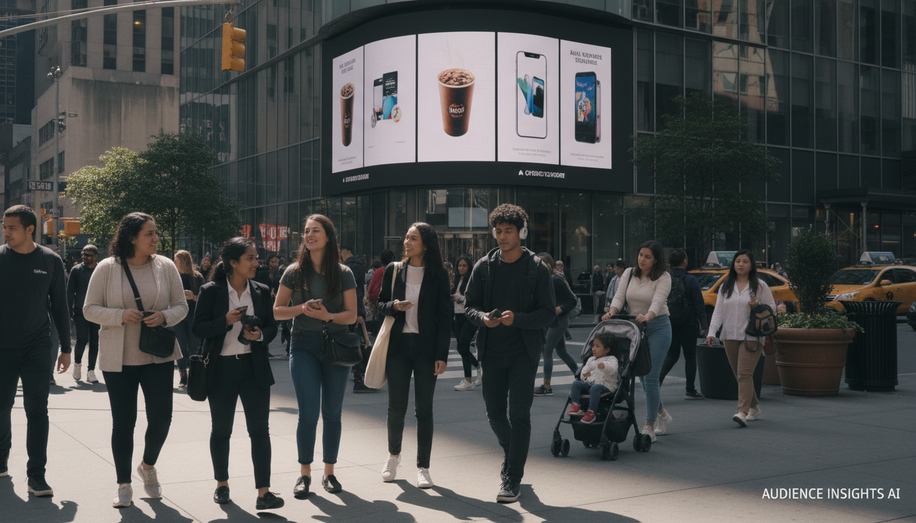

In the bustling urban landscapes where digital out-of-home (DOOH) screens flicker to life, artificial intelligence is quietly revolutionizing how advertisers anticipate and influence audience behavior. No longer reliant on static guesses or historical averages, brands now harness AI-powered predictive analytics to forecast reactions, movements, and engagement patterns with unprecedented precision, enabling campaigns that adapt in real time to maximize impact. This shift from reactive to proactive advertising is reshaping DOOH, turning billboards and screens into intelligent touchpoints that predict not just who is watching, but how they will respond.
At its core, predictive analytics in DOOH combines machine learning, historical data, and real-time inputs like foot traffic, weather, social media sentiment, and location trends to model future audience behaviors. AI algorithms sift through vast datasets to classify screens by demographics, dwell time, and environmental factors, identifying optimal placements where target viewers are most likely to appear. For instance, a global coffee chain analyzed commuter patterns near train stations, predicting peak morning rush hours and deploying breakfast promotions that drove a 30% increase in nearby store footfall. Similarly, a car manufacturer targeted screens in high electric vehicle adoption zones, achieving a 40% ROI uplift by forecasting where enthusiasts congregate. These examples illustrate AI’s ability to anticipate movements, ensuring ads strike when receptivity peaks rather than firing blindly into crowds.
Beyond location scouting, AI excels at forecasting emotional and behavioral responses. By integrating facial recognition—without storing personal data—cameras on DOOH screens gauge age groups, gender distributions, and even expressions, feeding this into predictive models that learn from patterns over time. A food delivery app, for example, switches from lunchtime deals near offices on weekdays to late-night offers by nightlife hubs on weekends, based on historical ordering habits and footfall forecasts. Weather triggers add another layer: a grocery retailer might pivot from hearty soups to barbecue essentials as temperatures rise, adapting content dynamically to match predicted shopper moods and needs. This predictive edge prevents mismatches, like promoting winter coats during heatwaves, conserving budgets and sharpening relevance.
Dynamic Creative Optimization (DCO) takes this further, where AI doesn’t just time or place ads but remixes creatives on the fly. Machine learning tests headlines, images, colors, and calls-to-action in real time, predicting which combinations will resonate based on audience profiles and performance data. In programmatic DOOH (pDOOH), AI automates bidding and placement, drawing on simulations to forecast campaign success before a single impression airs. Tools from platforms like StackAdapt analyze external variables—traffic jams, trending events, or viral topics—to generate intelligent forecasts, optimizing spend toward high-engagement slots. The result? Ad dollars flow to proven performers, with real-time adjustments curbing waste and amplifying returns.
This predictive prowess extends to measurement and attribution, long-standing pain points in out-of-home advertising. Traditional impression estimates relied on static multipliers from geo-services, offering only averages without behavioral nuance. AI upgrades this with real-time audience sizing and interaction tracking across channels, linking DOOH exposure to downstream actions like store visits or conversions. Advanced analytics reveal psychographic insights—interests, sentiments, even cross-platform journeys—enabling holistic campaigns that predict how a billboard view cascades into mobile engagement or purchases. Conversion rates from AI-targeted efforts often double or triple those of demographic-only approaches, as models prioritize behavioral signals over broad strokes.
Challenges persist, of course. Data quality remains foundational; garbage inputs yield flawed predictions, so advertisers must prioritize accurate historical and live feeds from reliable sources. Privacy concerns around facial analysis demand anonymization and compliance, ensuring ethical deployment. Yet as AI evolves, so do safeguards and capabilities. Emerging trends point to hyper-personalization, where predictions tailor ads to inferred preferences without identifiers, and cross-channel automation that tracks audiences seamlessly from DOOH to digital.
Retailers are already testing holiday simulations, forecasting shopping surges to dynamically spotlight trending products on screens near malls, boosting traffic and sales. Automotive brands simulate OOH paths aligned with buyer habits, while quick-service chains predict dwell times for impulse-buy nudges. In 2025 and beyond, AI’s integration promises DOOH as a dynamic ecosystem, where forecasts inform not just ads but entire strategies.
For OOH professionals, embracing AI means moving from intuition to evidence. Platforms now democratize these tools, allowing even mid-sized campaigns to leverage simulations for smarter buys. The payoff is clear: refined targeting, elevated ROI, and audiences met with messages that feel prescient rather than promotional. As DOOH matures, AI isn’t just predicting behavior—it’s scripting the next era of outdoor advertising success.