
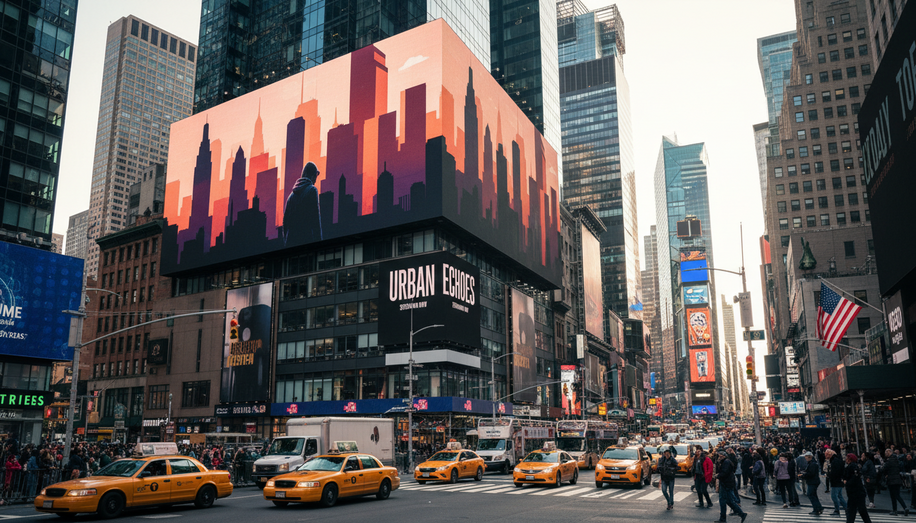

Pop culture has always served as a mirror reflecting society’s interests and values, and out-of-home advertising has increasingly become the canvas upon which brands paint narratives drawn directly from entertainment trends. As audiences grow more desensitized to traditional digital advertising, OOH campaigns are leveraging the emotional resonance and cultural currency of television, music, and film to create advertisements that transcend mere promotion and become cultural moments themselves.
The relationship between entertainment and outdoor advertising has evolved dramatically in recent years. Where billboards once relied on static imagery and simple messaging, contemporary campaigns now draw inspiration from the narratives, aesthetics, and emotional beats that define popular culture. This shift reflects a deeper understanding among advertisers that tapping into well-known moments from popular culture creates immediate emotional connections with audiences. When brands align their outdoor campaigns with major entertainment events and cultural phenomena, they amplify both reach and relevance, positioning themselves not as interruptive sales messages but as participants in the cultural conversation.
The success of Paramount Pictures’ “Mean Girls” transit ad campaign in 2024 exemplifies this approach perfectly. By placing quotable film lines on London bus shelters and taxi wraps, Paramount transformed the film’s release into a real-world social media moment. The campaign gained significant traction on social platforms precisely because it tapped into nostalgia and cultural recognition, creating an emotional connection that extended far beyond the physical advertisements themselves. This strategy of weaving entertainment narratives into outdoor spaces ensures repeated exposure among commuters and pedestrians while generating organic social sharing that amplifies the original campaign investment.
Television and streaming content increasingly influence OOH aesthetics and messaging strategies. The rise of prestige television and cinematic storytelling has elevated audience expectations for narrative sophistication, prompting outdoor advertisers to move beyond literal product representation toward storytelling that resonates on a cultural level. Similarly, music culture—from festival sponsorships to artist collaborations—provides rich thematic material that outdoor campaigns can leverage to build brand affinity among younger demographics who view music as central to their identity and values.
The technological evolution of digital out-of-home advertising has made pop culture integration more sophisticated and timely. Holographic displays and anamorphic billboards now enable brands to create immersive, shareable experiences that mirror the high production values audiences expect from premium entertainment. These installations transcend traditional flat visuals, transforming advertisements into viral moments amplified across social platforms like TikTok and Instagram. This convergence between entertainment production values and outdoor advertising creates a feedback loop where exceptional outdoor executions become entertainment content themselves, worthy of organic social sharing and discussion.
Context and cultural relevance have emerged as critical considerations in 2026 OOH strategy. Research indicates that cultural moments in messaging deliver 6% higher action and 1.3 times greater likelihood to drive purchase intent. This data-driven validation of pop culture integration has prompted brands to allocate resources toward identifying and capitalizing on entertainment moments, whether major film releases, award season events, or viral entertainment phenomena. The strategy extends beyond passive observation; brands now actively seek out cultural moments as they plan marketing initiatives, treating entertainment calendars as strategic planning tools.
Humor and joy—qualities drawn heavily from comedic entertainment trends—have become recognized as behavioral triggers influencing brand preference. With 72% of people stating they would choose a humorous brand over one that does not make them laugh, advertisers are increasingly mining entertainment for comedic moments and tones that can be adapted to outdoor contexts. This represents a fundamental shift from purely functional advertising toward campaigns designed to entertain and uplift audiences in their daily lives.
As audiences continue seeking refuge from digital fatigue and algorithmic fragmentation, pop culture provides OOH advertising with narrative depth, emotional legitimacy, and social currency that resonates in shared public spaces. The medium’s evolution demonstrates that outdoor advertising’s future lies not in abandoning its traditional strengths but in enriching them with the storytelling sophistication and cultural awareness that contemporary entertainment audiences expect.