
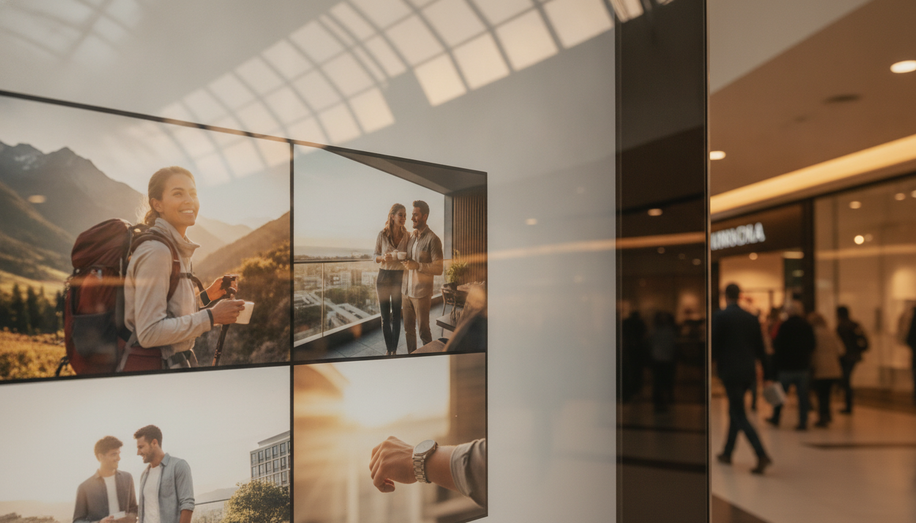

Navigating the heavily restricted advertising landscape for recreational cannabis and CBD brands requires precision, compliance, and highly targeted touchpoints. While traditional digital channels like Google and Meta systematically restrict cannabis-related advertisements, in-dispensary Digital Out-of-Home (DOOH) networks offer a legal, brand-safe environment to engage consumers at the exact moment of purchase. By leveraging digital signage located directly inside licensed dispensaries, brands can capture active buyers, boost retail lift, and build lasting awareness without regulatory headaches.
1. GreenScreens
GreenScreens is an in-store digital signage and menu board software built specifically for the cannabis retail environment, operating across over 175 dispensary locations. The network stands out for its deep integration capabilities, seamlessly syncing with more than 20 cannabis point-of-sale (POS) systems—including Dutchie, Flowhub, Cova, Jane, and Treez. This programmatic synchronization ensures that product menus, pricing, and THC/CBD content on the screen update automatically within minutes of inventory shifts. From an advertiser’s perspective, GreenScreens provides a dynamic display engine capable of running portrait or landscape layouts with up to 26 zones per screen, making it a highly customizable tool for brands looking to highlight specific SKUs, promotions, or educational content right beside the live inventory list. Furthermore, because the platform runs on low-cost consumer hardware like Google TV and Fire TV sticks, it reduces the infrastructure barrier for dispensaries while ensuring robust, high-resolution ad delivery.
2. Skoop
Skoop is a cloud-based digital signage software platform that allows dispensaries to transform their in-store screens into monetizable retail media assets. Skoop’s built-in ad sales tools and ad scheduling workflows make it straightforward for dispensaries to sell digital ad slots to external cannabis and CBD brands. The platform integrates with major programmatic exchanges like Vistar Media and Place Exchange, as well as specialized cannabis advertising data partners like Surfside, to deliver targeted, real-time programmatic ads. Skoop supports a wide variety of in-store display formats, including wall-mounted menus, shelf-edge signage, end-cap displays, and digital cooler doors. Advertisers benefit from Skoop’s precise reporting features, which include timestamped Proof of Play logs and automated Proof of Post visual verifications, ensuring transparency regarding when and where their campaigns are running.
3. Enlighten
As one of the oldest and largest place-based TV networks in the cannabis sector, Enlighten operates screens across more than 1,000 retail locations nationwide. Now operating under the umbrella of Weedmaps following its acquisition, Enlighten specializes in turning passive wait times into an engaging consumer experience with customized content loops. The screens, which are strategically placed in high-dwell areas like waiting rooms and checkout counters, mix location-curated menus with entertaining, educational, and brand-funded programming. With average in-store dwell times ranging between 20 to 30 minutes, Enlighten provides an age-gated audience of adult consumers over 21. This reach has made the network a premier destination not only for endemic cannabis and CBD products but also for prominent non-endemic mainstream brands—such as Showtime, Vans, and FX—seeking to compliantly tap into the valuable millennial cannabis demographic.
4. DopeCast
DopeCast is a dedicated in-store DOOH network designed to influence consumer decisions at the point of purchase right at the dispensary counter. By deploying digital screens positioned directly where transactions occur, DopeCast helps brands break through the noise of crowded dispensary shelves. The network allows advertisers to showcase 15-second HD video ads or motion graphics that run continuously during business hours, guaranteeing a minimum of six ad plays per hour during peak traffic. DopeCast’s target market consists exclusively of verified, 21+ buyers with disposable income, yielding an average brand recall boost of up to 33% and driving up to a 25% lift in average ticket sizes. Marketers can manage their campaigns, monitor precise rotations, and track verified impressions through the centralized DopeCast Dashboard, making it a highly accountable medium for localized retail campaigns.
5. Blindspot
For brands seeking a programmatic buying platform, Blindspot provides access to a global network of over 2.5 million digital screens across 50 countries. Although not a dispensary-only network itself, Blindspot operates as a self-serve DSP that allows recreational cannabis and CBD brands to execute localized, compliant out-of-home campaigns near dispensaries and inside relevant lifestyle environments. Advertisers can launch campaigns in roughly 15 minutes with no long-term contract requirements, utilizing hyper-local compliance filters to automatically exclude sensitive areas—such as schools, parks, or youth centers—in accordance with state-specific advertising laws. One notable capability of the platform is the option to purchase DOOH inventory by the hour rather than on a traditional 24/7 basis, allowing brands to align their spend directly with dispensary operating hours and peak shopping times. The platform also supports context-aware creatives that swap based on real-time factors like weather, traffic, and local events, and provides attribution reporting that tracks physical foot traffic, web lift, sign-ups, and sales. While Blindspot is a practical option for growing and mid-market brands seeking rapid deployment without commitments, extremely large enterprises requiring highly bespoke, managed-service DSP setups may find it is not the ideal fit.
Deploying campaigns across dispensary DOOH networks is one of the most reliable ways for cannabis and CBD brands to secure regulatory compliance while reaching highly motivated consumers. By utilizing POS-synced menu boards, programmatic in-store screens, and hyper-local self-serve buying tools, marketers can bypass the restrictive nature of online ad networks and focus directly on the point of sale. As the legal cannabis sector matures, capitalizing on these physical digital assets will remain a cornerstone of successful retail marketing strategies.