
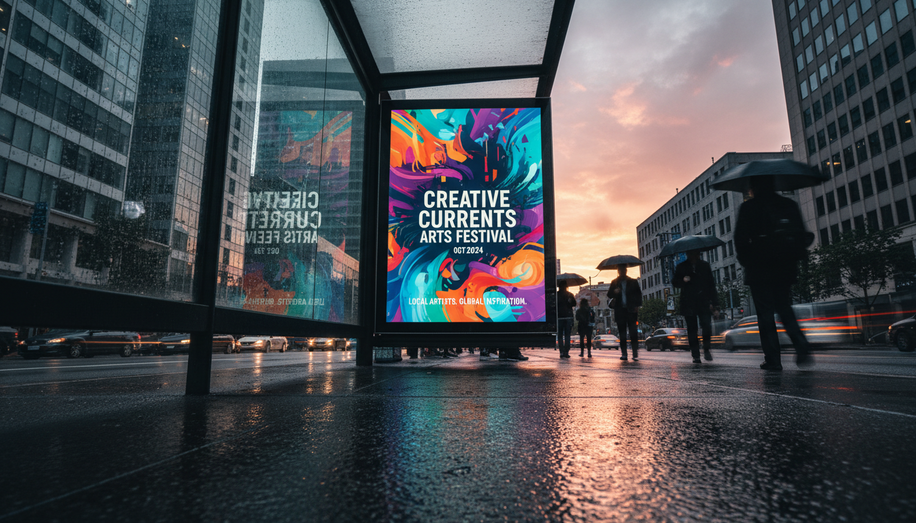

In the high-stakes world of out-of-home advertising, impressions alone no longer cut it. Crafting the perfect OOH media plan demands a shift from chasing raw reach to precision targeting that aligns geographic placement, audience segmentation, and campaign objectives with measurable business outcomes. This strategic evolution is transforming OOH from a visibility play into a driver of foot traffic, sales lifts, and brand loyalty, as evidenced by campaigns where structured planning boosts effectiveness by up to 30 percent.
The foundation of any standout OOH media plan begins with defining clear, quantifiable key performance indicators tied to overarching business goals. Rather than settling for vague metrics like “brand awareness,” planners must pinpoint specifics: driving store visits, sparking website traffic, or amplifying product launches in targeted zones. Studies underscore the power here—campaigns with well-defined objectives are 70 percent more likely to hit their marks, ensuring every billboard, transit wrap, or digital screen contributes to tangible results. This step isn’t just procedural; it’s a litmus test for alignment, forcing teams to interrogate whether the plan supports broader marketing efforts or merely fills space.
Audience segmentation elevates this process from guesswork to precision engineering. Gone are the days of blanket coverage; today’s planners dissect demographics—age, income, gender, loyalty levels—and behaviors, drawing from market research that includes competitor analysis and focus groups. For instance, a luxury auto brand might zero in on high-income commuters in business districts, while a fast-food chain targets families in residential hubs with high footfall. This granularity reveals blind spots in competitors’ strategies, such as underserved routes where rivals overlook prime dwell-time opportunities, allowing innovators to claim them with interactive elements like selfie stations or social challenges. The payoff is stark: OOH ads in audience-aligned spots can surge brand recall by 60 percent, turning passive passersby into engaged prospects.
Geographic targeting takes this further, anchoring the plan in real-world context over abstract data. High-traffic commuting paths, activity hubs, and retail corridors aren’t chosen by availability but by traffic patterns, proximity to points of purchase, and audience concentration. A beverage campaign might dominate urban gym clusters for fitness enthusiasts, while a real estate firm blankets suburban expansion zones. This isn’t scattershot; it’s surgical, with locations vetted for visibility, repeated exposure, and minimal wastage. Research shows such placements amplify impact by nearly 40 percent, even on constrained budgets, by prioritizing relevance over volume. In 2026, as real-world attention wars intensify, tools enabling dynamic scheduling and occupancy transparency further refine this, letting planners optimize on the fly for peak audience moments.
Campaign objectives beyond reach demand a balanced media mix and format selection that matches the message’s complexity to the environment. For awareness plays, static billboards in high-visibility corridors deliver broad strokes; product launches thrive on digital OOH’s video bursts or innovative scooter panels that demand attention amid motion. Dwell time matters—transit ads suit quick-hit promotions, while mall digital screens allow layered storytelling. Planners must weigh audience proximity too: a simple, bold design with seven words max ensures legibility at speed, adhering to best practices that prioritize simplicity for eye-catching impact. Integrating these choices with online amplification—prepped landing pages, social cadences, and review-site dominance—creates a seamless ecosystem where OOH sparks digital action.
Collaboration across silos is the glue holding this together. From creative leads to buyers, planners, PR, and social teams, success hinges on unified storytelling from inception. Budget allocation reinforces discipline: media costs often claim 50 to 70 percent, with the rest funneled to production, installation, and monitoring—yet well-planned spends keep campaigns 60 percent more on track. This holistic approach sidesteps overspending while maximizing ROI through post-launch measurement, tweaking based on real-time data like traffic lifts or attribution lifts.
Ultimately, the perfect OOH media plan transcends logistics to become a narrative engine. By marrying audience insights with geographic precision and objective-driven formats, brands don’t just interrupt commutes—they capture intent, fostering loyalty in an attention-scarce world. As OOH evolves, those who master this beyond-impressions mindset will dominate the real-world canvas.