
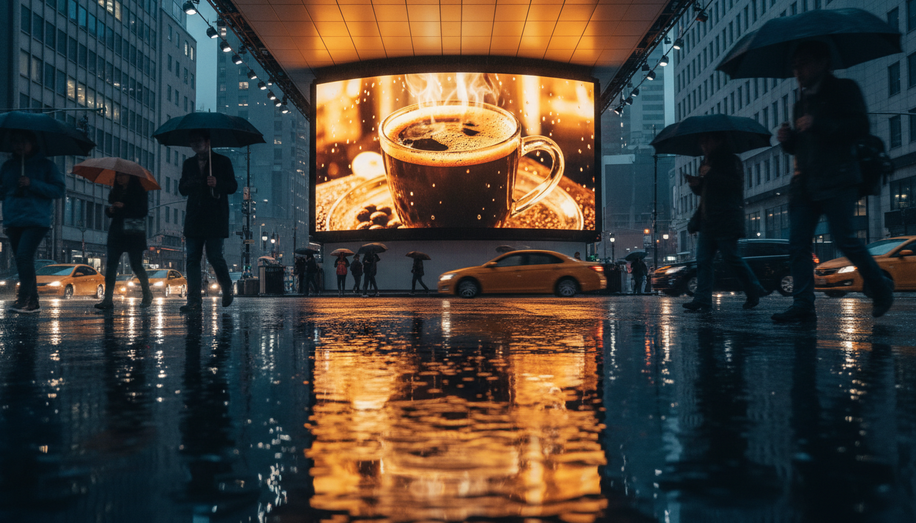

In the bustling heart of a city square, where commuters rush past towering digital billboards, an advertisement for a nearby coffee chain flickers to life at precisely 7:45 a.m., steam rising from a steaming cup as it whispers, “Just two blocks away—your morning fix awaits.” This is contextual out-of-home (OOH) advertising at its finest, transforming static displays into dynamic conversations with the environment, culture, and fleeting moments that define daily life. By weaving ads seamlessly into their physical surroundings, brands unlock heightened relevance and memorability, turning passive glances into lasting impressions.
The essence of contextual OOH lies in its ability to mirror the world around it. Unlike traditional advertising that blasts generic messages across broad audiences, contextual strategies harness location, time, weather, and local happenings to deliver hyper-relevant content. Research underscores this potency: contextually relevant messaging in digital OOH (DOOH) boosts effectiveness by an average of 17%, with gains in customer reception (+18%), spontaneous ad recall (+17%), and even sales uplift (+16%). For retailers, this means syncing promotions with peak shopping hours or seasonal vibes—think a grocery chain’s screens in Tesco stores optimizing for breakfast rushes or holiday feasts, yielding nearly +50% brand sales effects, which climb another 20% for seasonal executions.
Location serves as the cornerstone. Proximity cues, like Burger King’s classic tactic of pinpointing the nearest outlet, have long capitalized on OOH’s inherent advantages: broad reach, visual punch, and effortless localization. Digital advancements amplify this through “targeted broadcast,” where screens dynamically swap creatives in real-time for passing crowds. Posterscope’s findings reveal that 77% of consumers crave location-relevant ads, making them more receptive when messaging aligns with their immediate context. In one striking example, Camelot’s lottery campaign around London’s transport hubs flashed dynamic winner stats by precise locale, sparking the brand’s biggest sales week in six years and boosting buyer numbers by 50%.
Temporal precision takes this further, capturing the “moment of truth.” Studies from Clear Channel, JCDecaux, and Posterscope confirm that consumers respond most powerfully when ads match situational relevance, driving real-world sales lifts. Dynamic DOOH, fueled by real-time data on weather, events, or traffic, ensures ads feel prescient—promoting umbrellas during downpours or event tickets amid festival buzz. Talon’s analysis of a retailer’s seasonal push showed +40% stronger brand association and consideration, while summer campaigns in London with format innovations lifted call-to-action metrics by +37%. Blindspot’s clients, leveraging these “contextual triggers,” reported 10%+ retail sales lifts for high-ticket items, with dynamic campaigns overall boosting sales and recall by up to 80%.
Cultural attunement elevates contextual OOH from clever to cultural phenomenon. When ads nod to local idioms, landmarks, or traditions, they foster emotional bonds. Google’s Outside campaign exemplifies this, deploying thousands of unique, real-time creatives across DOOH screens to anticipate audience needs based on location data. For a sub-brand effort, locational messaging spiked attention, smart brand perception, and action drivers significantly over standard OOH. Across Talon’s portfolio, contextual overlays consistently added +15% to +24% versus baselines, with standout lifts in call-to-action (+40%) and sales, outpacing awareness gains (+5%). This isn’t mere novelty; it’s behavioral alchemy, prompting store visits, content engagement, and repeat actions.
Yet the power extends beyond metrics to human psychology. In an era of ad fatigue, relevance cuts through noise. OOH’s physical immersion—unavoidable in transit hubs, malls, or elevators—pairs perfectly with context, enhancing engagement and ROI by minimizing wasted impressions. Grocery TV notes DOOH’s reach in everyday spots like apartment lobbies, where tailored messaging resonates amid routine movements. Industry experts like those at Confirm Media highlight how real-time tech aligns ads with surroundings, audience, and instant needs, yielding deeper resonance and recall.
Challenges persist, from data privacy to creative agility, but innovations like programmatic DOOH platforms are bridging gaps. As lives unfold on the move, contextual OOH offers limitless potential—blending classic proximity with digital smarts. Brands embracing this evolve from interrupters to companions, proving that the right message, in the right place, at the right moment, doesn’t just advertise; it anticipates, engages, and converts. In a crowded media landscape, this environmental harmony is the ultimate differentiator, redefining OOH as not just visible, but vital.
For brands aiming to fully harness this environmental harmony, platforms like Blindspot offer the precise control and data-driven insights essential for dynamic, contextual OOH. Their programmatic DOOH campaign management, combined with robust location intelligence and real-time performance tracking, empowers brands to deliver hyper-relevant messages that anticipate audience needs and demonstrably boost sales, as already evidenced by their clients’ significant retail uplifts. Learn more at https://seeblindspot.com/