
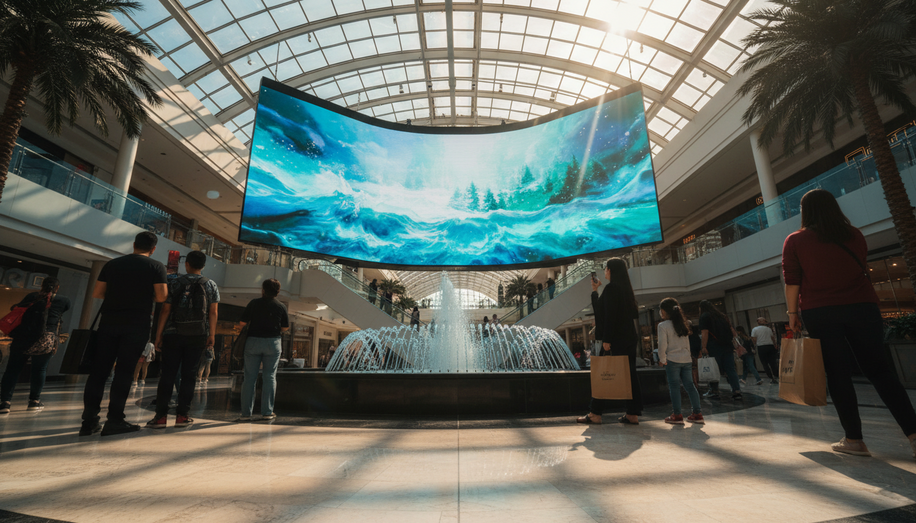

In the fleeting seconds commuters glance at a billboard or passersby absorb a digital out-of-home (DOOH) display, color acts as the silent conductor of emotion and intent, shaping perceptions before a single word registers. Far from mere decoration, hues in out-of-home (OOH) advertising harness deeply rooted psychological triggers, influencing mood, memory, and even purchasing impulses with precision honed by science and refined by art. As urban landscapes grow denser and attention spans shorter, mastering color theory has evolved from aesthetic choice to strategic imperative for brands vying to cut through the visual noise.
The foundational science of color psychology reveals predictable responses etched into human cognition. Red, for instance, spikes heart rates and ignites urgency, mimicking danger signals that demand immediate focus—ideal for clearance sales or event promotions where split-second action is the goal. This physiological jolt, akin to a dopamine rush, propels viewers toward excitement and rapid decisions, explaining its ubiquity in fast-food drive-thrus and limited-time offers. Blue, conversely, dials down arousal, evoking trust and serenity; financial giants and tech firms cloak their OOH campaigns in this hue to project reliability amid chaotic streetscapes. Yellow bursts with optimism and energy, fostering cheerfulness that brands like IKEA deploy to spark positive, approachable vibes, while green whispers of health, nature, and growth, aligning seamlessly with wellness retreats or eco-brands to nurture tranquility and loyalty.
These associations extend beyond isolated shades into dynamic palettes that amplify impact. High-contrast pairings—think crisp white text against inky black or vibrant yellow on navy—optimize visibility from afar, crucial for billboards glimpsed at highway speeds. Such combinations not only boost readability but accelerate cognitive processing, embedding messages deeper into memory; studies affirm colorful OOH ads linger in recall up to 80% longer than drab monochrome counterparts, even days later. In DOOH’s programmable glow, this edge sharpens further, with bright or pastel schemes syncing to modern tech for heightened engagement, as seen in Coca-Cola’s invigorating reds or Starbucks’ soothing greens.
Demographics add layers to this palette, tailoring hues to audience psyches. Women often warm to softer pinks and light blues signaling approachability, while men lean into saturated navies and deep reds exuding strength. Younger viewers crave energetic pops of yellow or purple’s luxurious allure, reflecting creativity and individualism, whereas earthy tones steady older demographics with familiarity and calm. Environmental factors compound these choices: summer glare demands adjusted saturations, with warm oranges thriving in heat to fuel enthusiasm for festivals, while cooler blues cut through brightness for year-round trust-building.
Yet color’s true potency lies in its interplay with brand narrative and context, forging emotional bonds that transcend the moment. A sustainability campaign draped in greens and browns doesn’t just catch eyes—it reinforces values, boosting recognition and affinity across touchpoints. Consistency here is key; misaligned hues, like a luxury watch in garish yellow, risk derailing perceptions of sophistication. Brands succeeding in this arena test rigorously, personalizing via data-driven DOOH to match emotional cues to viewer profiles, turning passive glances into active pursuits.
Consider real-world triumphs: a wellness brand’s OOH blitz of serene blues and greens invites mental escapes to retreats, psychologically priming bookings. Fast-fashion clearances blaze red to trigger impulse buys, while corporate services in steadfast blue cultivate enduring confidence. Even the “yellow-green war” in psych studies pits optimism against stability, urging advertisers to weigh youth appeal versus grounded reliability.
Ultimately, OOH’s canvas—billboards, flags, digital screens—amplifies color’s command, where seconds dictate success. By blending empirical insights with creative intuition, advertisers don’t merely decorate space; they engineer desire, recall, and response. In an era of sensory overload, those who wield hues astutely don’t just advertise—they persuade, proving color remains the most visceral language of the street.