
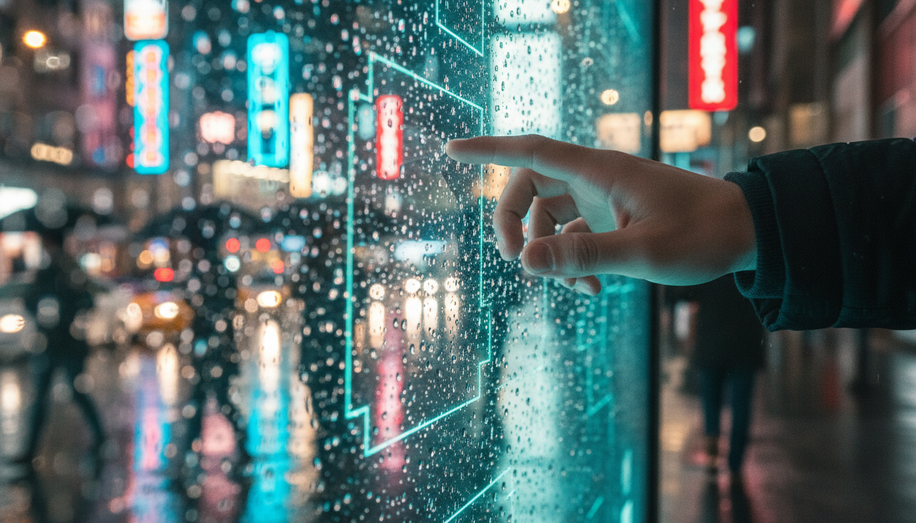

In the bustling streets of modern cities, out-of-home (OOH) advertising has evolved far beyond static billboards that demand nothing more than a fleeting glance. Today, campaigns like “Tap, Scan, Play” invite pedestrians to actively participate, transforming passive viewers into engaged participants through simple, non-augmented reality technologies such as QR codes, NFC tags, motion sensors, and audience-triggered displays. These interactive elements bridge the gap between advertisement and experience, fostering deeper connections that drive foot traffic, social shares, and measurable conversions.
QR codes remain a cornerstone of this shift, offering an effortless gateway to digital content without requiring sophisticated hardware. Passersby simply scan a code with their smartphones to unlock videos, coupons, or games, turning a momentary encounter into a prolonged brand interaction. For instance, campaigns have integrated QR codes alongside dynamic visuals, directing users to Instagram AR filters or exclusive offers, amplifying reach through user-generated content as people share their experiences online. This low-barrier entry point excels in high-traffic areas like transit hubs, where a quick scan can lead to immediate actions such as app downloads or store visits, proving far more effective than traditional messaging alone.
Near Field Communication (NFC) takes interactivity a step further by enabling touchless taps that feel almost magical. Users hold their NFC-enabled phones near a tag embedded in the OOH display, instantly triggering personalized responses like customized playlists, virtual tickets, or loyalty rewards. Unlike QR codes, which require camera alignment, NFC demands mere proximity, making it ideal for crowded environments where precision matters. Brands have leveraged this for “tap-to-play” experiences, where a single tap launches immersive audio stories or gamified challenges, encouraging repeat engagements as users return to “collect” digital prizes. The technology’s seamlessness reduces friction, boosting completion rates and turning urban billboards into personal portals.
Motion sensors elevate the experience by responding to human presence, creating a sense of dialogue between the ad and its audience. Digital OOH screens equipped with infrared or ultrasonic sensors detect movement, activating tailored content only when viewers approach. Aperol’s programmatic campaign exemplified this by triggering sprightly summer cocktail ads solely during warm weather above 66°F, ensuring relevance and drawing eyes with timely dynamism. Similarly, fast-food chains like Jack in the Box have used sensors to pulse promotions for menu items, correlating screen activations with a 1.3 million customer uplift at nearby locations. This audience-triggered approach minimizes wasted impressions, as content awakens precisely when potential customers are within reach, fostering a responsive environment that feels alive and attentive.
Audience-triggered displays push boundaries even further, employing cameras and AI analytics—without AR overlays—to customize messaging in real time. GMC’s Acadia SUV campaign at shopping malls utilized facial recognition to assess demographics, group sizes, and even expressions like smiles or frowns, serving one of 30 tailored video ads from a library of options. Touchless hand gestures allowed viewers to “explore” vehicle interiors or book test drives, maintaining hygiene while delivering personalized engagement. Such systems detect whether a lone commuter or a family lingers, adapting narratives accordingly—perhaps a solo adventure ad for individuals or safety features for parents—resulting in higher dwell times and conversion intent.
These non-AR interactions shine in their ability to gamify public spaces, blending utility with entertainment. KitKat’s touch-activated billboard offered complimentary massages via vibration technology, literally embodying its “have a break” slogan and drawing crowds eager to pause and partake. Mobile activations amplify this further: LED trucks at festivals deploy motion-responsive screens for product sampling, while custom glass vehicles with NFC-enabled windows let users tap for 360-degree product views or instant recipes. Geo-fencing adds precision, as seen in Burger King’s Whopper Detour, where proximity to competitors unlocked app-based games and penny-price deals, gamifying the path to redemption and generating massive buzz.
The data underscores the potency of these tactics. Interactive OOH not only boosts engagement metrics—such as 30% longer dwell times and doubled scan rates—but also correlates with tangible outcomes like increased store visits and social amplification. By leveraging environmental triggers like location, weather, or crowd behavior, brands create “public art” that entertains rather than interrupts, blurring advertising with memorable moments. Challenges persist, including technical reliability in harsh weather and privacy concerns around facial analytics, yet advancements in edge computing and anonymized data processing are addressing these.
As OOH landscapes digitize, “Tap, Scan, Play” heralds a future where every display pulses with potential. From QR-driven shares to sensor-sparked surprises, these elements unlock unprecedented audience loyalty, proving that in an attention-scarce world, invitation trumps imposition. Brands ignoring this interactivity risk fading into the background, while pioneers redefine engagement one tap at a time.