
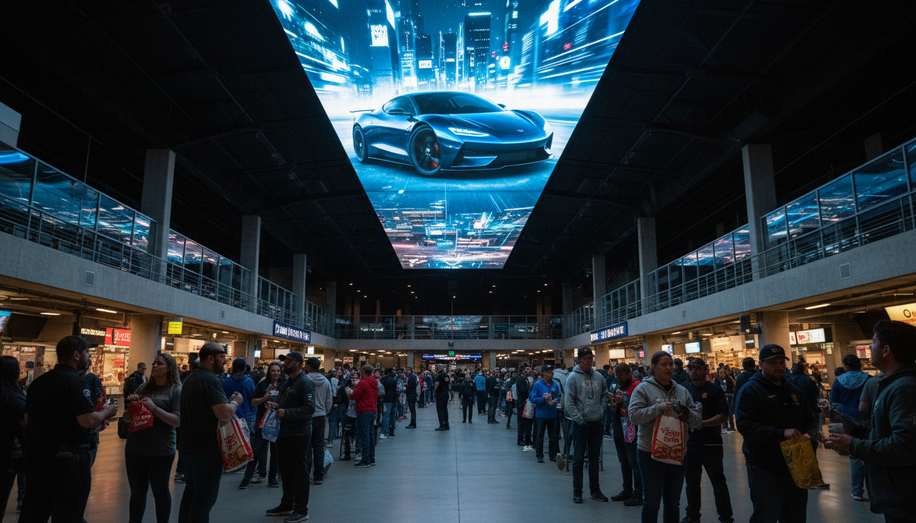

In the dim glow of a cinema auditorium or the roaring energy of a packed stadium, out-of-home (OOH) advertising finds its most captive audiences, transforming moments of leisure into prime opportunities for brand connection. These entertainment venues—cinemas, stadiums, and concert halls—offer advertisers unparalleled dwell time, where patrons are fully immersed, phones silenced, and attention undivided. Unlike fleeting digital scrolls or distracted commutes, here audiences lean in, primed for messaging that resonates with their heightened emotions and shared excitement.
Consider the cinema experience, a cornerstone of OOH’s strategic arsenal. As moviegoers settle into plush seats, the massive screen commands their field of vision, rendering mobile distractions obsolete—most theaters enforce phone silencing upon entry. This distraction-free environment demands attention far beyond TV or social media ads, making cinema screens a powerhouse for compelling narratives. Brands like beverage giants or upcoming blockbusters capitalize on this by delivering :15- or :30-second video spots that build anticipation, much like the film’s trailers. The result? High recall rates, as viewers absorb messages in a theater packed with demographics skewed toward families, young adults, and date-night crowds, all in a controlled, high-impact setting.
Stadiums and arenas elevate this captive dynamic to stadium-scale intensity. Inside these venues, digital out-of-home (DOOH) displays—jumbotrons, LED boards, concourse screens, and entry/exit kiosks—deliver dynamic, visually stunning content to thousands of emotionally charged fans. With prolonged exposure during long dwell times, from pre-game tailgates to halftime lulls, these placements create repeated impressions that weave brands into the fabric of unforgettable moments. A sports drink ad flashing on a jumbotron amid cheers doesn’t just sell product; it associates the brand with victory and camaraderie, fostering loyalty among passionate, demographically rich audiences like families, locals, and casual attendees. Programmatic DOOH takes it further, enabling real-time relevance—think game scores, countdowns, or sponsor tie-ins that pulse with the crowd’s energy.
The journey to these venues amplifies OOH’s reach, turning transit paths into pre-event priming grounds. Billboards along highways, bus wraps, and subway interiors target fans en route, building hype with bold, simple visuals that tap into game-day anticipation. Transit advertising proves especially potent for public transport users, sparking conversations in social groups and seeding excitement for events ahead. This “fan journey” approach—venue approaches, interiors, and exits—ensures comprehensive coverage, meeting audiences where enthusiasm peaks. As one expert notes, OOH in these spaces meets fans “emotionally engaged and highly attentive,” enhancing the overall experience while driving brand affinity.
What makes these environments so potent? It’s the psychology of leisure. In cinemas, stadiums, and entertainment hubs, consumers enter a willing suspension of disbelief, their guards down amid entertainment. OOH leverages this with formats tailored to context: static images in 16:9 or 9:16 ratios for versatility, video loops for dynamism, and geofenced targeting by DMA, county, or zip code for precision. Sports venues, in particular, differ from standard OOH by delivering “highly engaged, emotionally invested” crowds with dwell times that dwarf urban panels. Pairing this with omnichannel tactics—like reinforcing TV spots with DOOH cutdowns—creates a priming effect, strengthening memory and efficiency.
Brands across sectors have mastered this. Automotive companies spotlight SUVs on stadium concourses during family-friendly games, while entertainment studios tease films via cinema pre-rolls. Alcohol brands thrive with responsible-messaging LED boards at concerts, aligning with the vibe without overshadowing the event. Data underscores the payoff: stadium advertising boosts visibility and loyalty in high-energy settings, while cinema’s captive nature yields superior engagement metrics. Even beyond die-hards, these placements snag casuals, locals, and passersby, broadening reach.
Yet success hinges on relevance. Messaging must sync with the mood—energetic for sports, immersive for films—avoiding overt sales pitches that jar the escapism. Digital advancements like programmatic buying allow contextual tweaks, such as weather-tied promotions or event-synced creatives, maximizing impact. For advertisers, the formula is clear: integrate OOH into entertainment strategies for audiences who aren’t just seeing ads—they’re living them.
As leisure spending rebounds post-pandemic, these venues remain goldmines. With urban centers hosting mega-events, OOH’s ability to capture “the 99% of fan attention in everyday spaces” extends its game plan far beyond the arena. In an era of ad fatigue, cinemas, stadiums, and entertainment hubs remind us: nothing beats real-world immersion for forging lasting bonds.