

In the bustling streets of 19th-century New York, the seeds of modern outdoor advertising took root with Jared Bell’s creation of the first large-format posters in 1835. Measuring 50 square feet, these vibrant displays promoted circus spectacles like Barnum & Bailey, leveraging the era’s lithography breakthroughs to capture passersby’s attention with bold colors and dramatic imagery. Hand-painted or meticulously pasted together from smaller sheets, they marked the dawn of out-of-home (OOH) media, transforming simple signage into a powerful tool for mass communication.
By the 1860s, billboards had evolved from novelty to necessity, as new laws allowed businesses to purchase outdoor space for advertising. Labor-intensive hand-drawn designs adorned walls and fences, with billposters laboring to cover surfaces amid fierce competition—some pasting up to 1,000 sheets daily in a precursor to today’s wildposting tactics. The decade’s shift propelled OOH’s popularity, leading to the formation of key associations like the International Bill Posters’ Association in 1872, which standardized practices and advocated for the nascent industry across North America. These groups professionalized the craft, culminating in 1889 at the Paris Exposition, where the 24-sheet billboard format—stitched into a seamless 2:1 aspect ratio—emerged as the global standard, later showcased at the World’s Columbian Exposition.
The turn of the 20th century solidified OOH’s infrastructure. In 1900, America established uniform billboard structures, enabling giants like Coca-Cola and Kellogg’s to mass-produce posters for nationwide campaigns. The first billboard company listed on the New York Stock Exchange appeared in the mid-1920s, signaling commercial maturity, while illuminated signs debuted in San Francisco as early as 1916, adding nighttime allure. Foster & Kleiser, a pioneering firm, expanded rapidly, operating in 600 cities by 1926 and introducing innovations like the “Blentone” process in 1946 for nuanced color blending and reflective Scotchlite for highway bulletins. The rise of the Model T and the Interstate Highway System in the mid-20th century supercharged growth, as advertisers lined new roads with displays designed to entertain speeding drivers, turning commutes into captive audiences.
Post-World War II innovations accelerated the medium’s sophistication. Studies by A.C. Nielsen in the 1960s provided the first reach-and-frequency metrics, proving OOH’s measurable impact. Transit ads, bus shelters, and street furniture proliferated from the 1960s to 1990s, diversifying formats despite growing restrictions on tobacco and alcohol promotions. Power-driven boom trucks and prefabricated panels streamlined installation, while “multivision” bulletins rotated multiple designs on single structures. By 1980, leaders like Foster & Kleiser managed 40,000 facings, crowning OOH as America’s largest outdoor network.
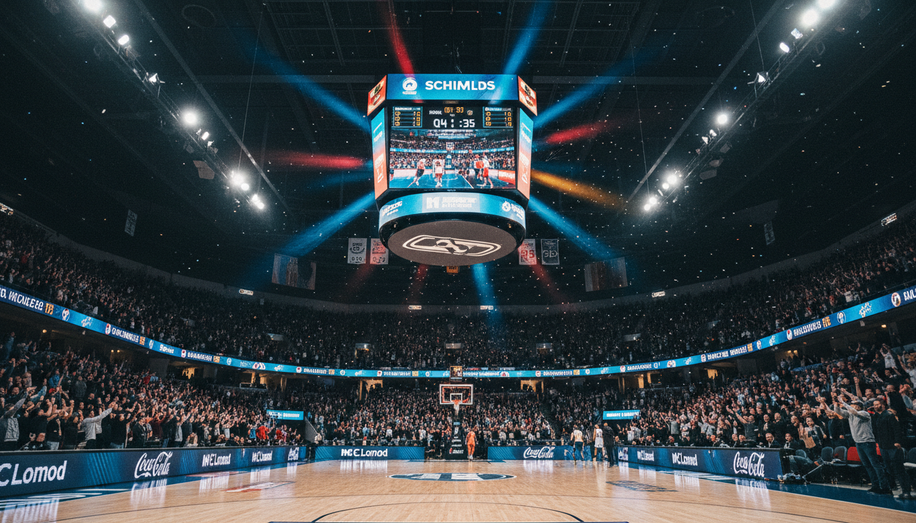
The digital revolution, igniting in the late 1990s and early 2000s, redefined the landscape. Clear Channel Outdoor pioneered remotely changeable static signage, converting 80 Manhattan Street displays into the “Digital Street Network” by 2004—the company’s first digital foray. Partnerships like Eller Media’s with Spectacolor dominated iconic spots such as Times Square, blending LED spectacles with urban energy. Advancements in printing and vinyl wrapping enabled supersized murals and “Premiere Plus” panels spanning 600 square feet. Today, OOH transcends static imagery into interactive spectacles: programmatic digital out-of-home (pDOOH) harnesses real-time data for dynamic content, syncing ads with weather, traffic, or social trends. Touchscreens, augmented reality overlays, and sensor-driven displays invite engagement, evolving passive viewing into immersive experiences.
This trajectory—from hand-painted curiosities to AI-orchestrated spectacles—mirrors societal shifts: urbanization fueled early billboards, automobiles expanded reach, and connectivity now personalizes impact. Regulations have tempered excess, from 19th-century poster wars to modern zoning, yet OOH endures with unmatched scale, reaching 90% of adults weekly. As sustainability drives solar-powered screens and recyclable materials, the medium hurtles toward a hyper-connected future, where every glance yields data-driven relevance. Once stone obelisks in ancient Egypt publicizing edicts, OOH now commands cityscapes, proving its timeless allure in captivating the mobile masses.