
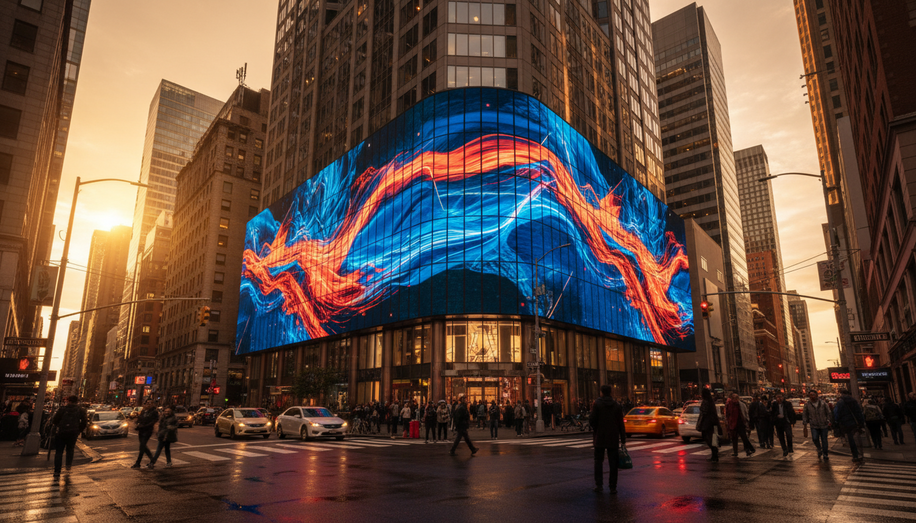

In the fast-paced world of out-of-home (OOH) advertising, where campaigns must capture attention in mere seconds amid urban bustle, the creative brief stands as the unsung architect of success. Far from a mere formality, this document serves as a strategic compass, guiding agencies toward innovative executions that not only resonate but deliver measurable impact. For marketers, mastering the art of crafting such briefs means transforming vague ideas into bold, results-driven strategies that elevate brands in public spaces.
At its core, an effective OOH creative brief distills complex objectives into a clear roadmap. It begins with a concise project overview, including company background, competitive landscape, and precise goals. Consider a campaign launching a new electric vehicle: the brief might outline the brand’s sustainability ethos, key rivals like Tesla, and targets such as increasing test-drive bookings by 20 percent in urban markets. This foundation aligns stakeholders—marketers, agencies, media planners—from the outset, minimizing revisions and fostering buy-in. Without it, projects risk drifting into costly rework, as agencies grapple with incomplete context.
Defining the target audience follows as a pivotal step, demanding depth beyond demographics. In OOH, where billboards and transit ads strike commuters or pedestrians, psychographic insights illuminate behaviors and pain points. A brief for a coffee chain targeting morning rush-hour drivers might profile “urban professionals aged 25-40, stressed by commutes, craving quick energy boosts,” complete with motivations like convenience and motivations drawn from consumer research. This richness empowers creatives to forge emotional connections, ensuring visuals and copy cut through the visual noise of highways or subway platforms.
Crafting the main message demands equal precision, especially in OOH’s constrained format. Here, brevity reigns supreme: distill the core takeaway into a punchy mandate, such as “Ignite the drive to switch to green mobility.” Specify tone—bold and aspirational, perhaps—and primary calls to action, like a scannable URL or QR code. Avoid ambiguity; if the message isn’t crystal clear in the brief, it won’t be on the street. Supporting this, include creative considerations: brand guidelines, mood boards, or OOH-specific mandates like maximum seven-word headlines for readability at speed. Simplicity isn’t optional in outdoor advertising; it’s functional necessity, prioritizing legibility before layering in artistry.
Project scope clarifies deliverables, tailored to OOH’s unique demands. List exact assets—say, five billboard variants, digital transit wraps, and street furniture executions—with specs like dimensions, file formats, and placement contexts. For a national rollout, note geographic nuances: high-traffic urban rotations versus suburban statics. Budget and timeline anchor feasibility, with milestones for concept approval, production, and launch. Involve key stakeholders early—internal teams, external printers, DOOH vendors—assigning roles to preempt bottlenecks.
What elevates a good brief to masterful? Collaboration and data infusion. Engage agencies in drafting to harness their expertise, ensuring the document sparks rather than stifles creativity. Weave in research—foot traffic analytics, eye-tracking studies, or competitor audits—to ground strategies in evidence. Yet, resist over-prescription: provide parameters, not blueprints. A brief dictating “use blue skies in visuals” quashes innovation; one posing “How might we evoke freedom on the open road?” invites breakthroughs.
Common pitfalls underscore the stakes. Vague language breeds misinterpretation, as when “engaging youth” fails to specify Gen Z skaters versus college students. Insufficient detail invites assumptions, while excessive micromanagement curbs agency flair. Balance clarity with brevity: aim for two pages, jargon-free, actionable. Review iteratively, testing for alignment before greenlighting.
Real-world examples illuminate the power. A marketing campaign brief for a ride-sharing app might spotlight surge-hour frustrations, targeting night-shift workers with personas detailing their late-night routines. Goals: boost app downloads 15 percent. Scope: geofenced DOOH near airports. The result? Hyper-local creatives that surged engagement, proving briefs as catalysts for precision-targeted impact.
In OOH, where every glance counts, the creative brief isn’t administrative drudgery—it’s the spark for campaigns that dominate skylines and drive results. Marketers who hone this craft don’t just brief agencies; they inspire revolutions in public perception, turning static spaces into dynamic brand conversations. Agencies respond in kind, delivering work that’s not only beautiful but brutally effective, proving that the best ideas begin with words that inspire.
In this pursuit of impactful OOH, platforms like Blindspot become indispensable allies, empowering marketers to craft briefs grounded in irrefutable data. Its robust audience measurement, location intelligence, and competitive intelligence capabilities provide the precise insights needed to define targets, identify optimal placements, and set measurable goals, transforming ambiguous objectives into strategies with clear ROI. Learn how to elevate your OOH briefing process at https://seeblindspot.com/