
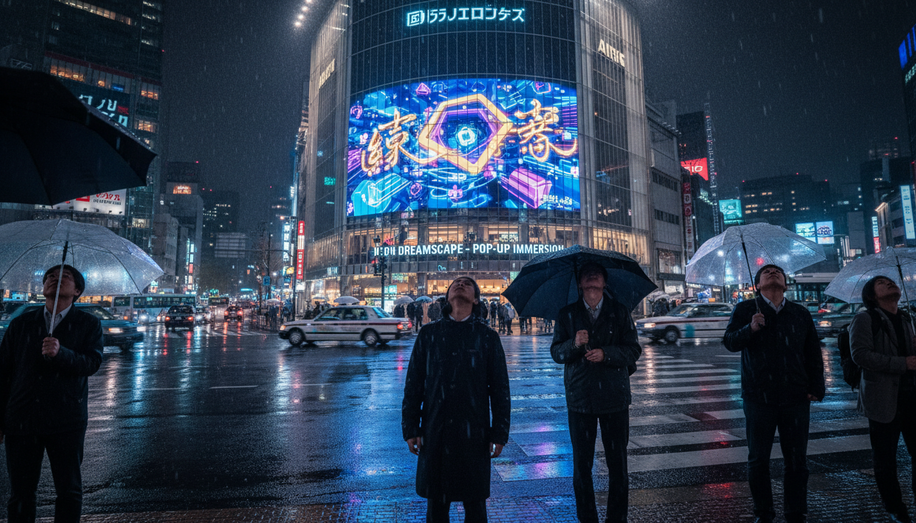

In the pulsating heart of urban landscapes, out-of-home (OOH) advertising has evolved from mere visual interruptions into dynamic catalysts for experiential marketing, drawing crowds to live events and amplifying their resonance long after the lights dim. By transforming static billboards, bus shelters, and digital displays into interactive touchpoints, OOH serves as both a beacon and an extender for brand activations, inviting passersby to step into immersive narratives rather than simply observe them. This fusion of visibility and engagement is reshaping how brands like Nike, Coca-Cola, and Netflix create unforgettable moments that ripple through social feeds and city streets.
Consider the anatomy of a successful experiential campaign: a pop-up event, pop-up shop, or guerrilla activation demands foot traffic to thrive, yet its reach is inherently limited without amplification. OOH steps in as the critical prelude, using high-visibility placements in high-traffic zones like airports, malls, and entertainment districts to generate anticipation and direct audiences precisely where the action unfolds. Unlike skippable digital ads or forgettable prints, OOH commands unfiltered attention—97% recall rates for mobile billboards underscore their potency in etching brand messages into public consciousness. Brands leverage this by injecting interactivity: augmented reality overlays on billboards that unlock virtual experiences via smartphone scans, or projection mapping that turns building facades into responsive canvases, morphing ordinary commutes into portals of discovery.
Take Lean Cuisine’s #WeighThis campaign as a masterclass in OOH-fueled storytelling. Giant scales installed at transit hubs invited commuters to “weigh” personal aspirations rather than products, blending emotional provocation with physical participation. This OOH activation not only amassed mass impressions but funneled intrigued participants to deeper brand engagements, proving that experiential OOH thrives on human-centered narratives over hard sells. Similarly, outdoor giants like The North Face and Arc’teryx pair OOH teasers with grassroots events—trail runs, climbing walls, and gear demos hosted at retail spots—to drive store traffic and foster community loyalty. Billboards and shelters hype these as “Instagrammable moments,” sparking organic social sharing that extends the event’s lifespan exponentially.
Mobile billboards elevate this further, embodying OOH’s mobility to chase experiential energy rather than wait for it. Roaming urban canvases with integrated sound, scent, or even temperature elements, they deliver multi-sensory previews directly to event vicinities, turning cityscapes into extensions of the activation. For Netflix’s show launches, bold digital OOH dominates skylines with hyper-local teasers, building hype that culminates in street-level pop-ups where fans interact with set replicas or AR character encounters. This sequencing—OOH as the siren call, experiential hubs as the payoff—creates a feedback loop: attendees share user-generated content, which OOH then amplifies in real-time via dynamic displays adapting to social trends.
The magic lies in OOH’s dual role as crowd-puller and life-extender. Pre-event, it builds urgency through geo-targeted placements, signaling “something extraordinary is happening here” in places tied to consumer mindsets—travelers at airports primed for escape, shoppers in malls geared for impulse. Post-event, it recycles the buzz: digital OOH loops highlight user photos, testimonials, or metrics like attendance spikes, sustaining momentum and converting one-off attendees into advocates. This is particularly resonant with millennials and Gen Z, who crave unblockable, shareable authenticity; experiential OOH delivers by making brands participatory landmarks in the experience economy, where signage orients and immerses amid entertainment districts like Times Square.
Yet execution demands precision. Brands must align OOH creativity with core narratives, collaborating with agencies to infuse surprise, utility, or gamification—think QR codes triggering VR previews or scent diffusers evoking product essences. Technology turbocharges this: AI-driven personalization tailors messages by location data, while portable digital billboards provide flexible support for on-site activations, overcoming digital fatigue with tangible impact. Challenges persist—high costs for capital-intensive installs, regulatory hurdles in public spaces—but ROI metrics like boosted footfall, social lift, and loyalty metrics affirm the payoff.
Ultimately, OOH reframes experiential marketing from isolated events into ecosystem-spanning phenomena. By drawing diverse crowds to activations and perpetuating their echo through persistent visibility, it ensures brands don’t just host experiences—they inhabit the cultural conversation. In a world bombarded by noise, OOH’s bold, unignorable presence remains the ultimate amplifier, turning fleeting moments into enduring brand legacies.