
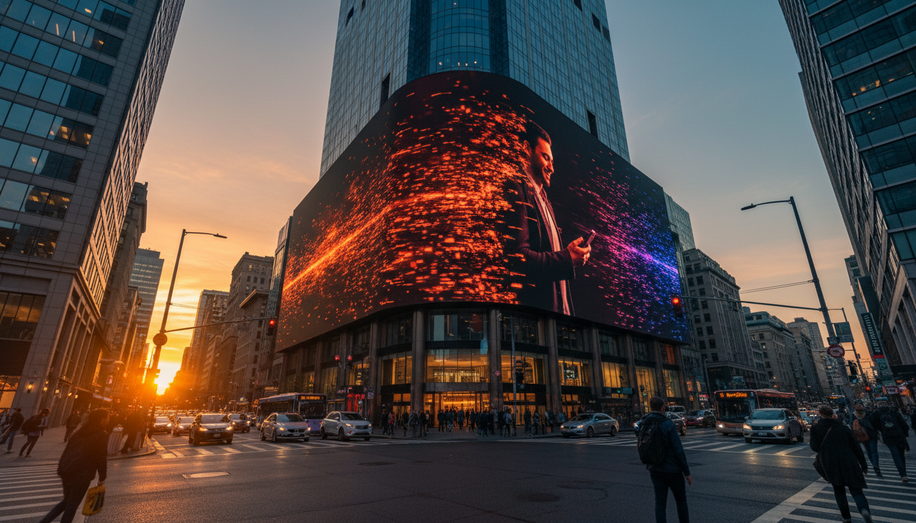

In the bustling heart of a city, where pedestrians weave through crowds and drivers glance skyward at towering screens, out-of-home (OOH) advertising has evolved from static spectacles into dynamic conversations powered by data. Location analytics and audience demographics now serve as the invisible architects of creative design, shaping visuals and messaging to resonate precisely with those who encounter them. This data-driven approach transforms billboards from mere announcements into contextual experiences that drive engagement and sales.
Consider Guinness’s weather-triggered campaign in major U.S. cities during winter. Real-time temperature data fed into digital billboards, altering messages to match local conditions—urging passersby toward warm pubs on chilly days. The result was a surge in pub visits and sales, proving how environmental data can inform creative elements like imagery of frosty pints or inviting hearth scenes, making the ad feel intuitively relevant. Similarly, Rain-X timed its digital OOH push for rainy moments, displaying wiper-fluid promotions only when precipitation hit, blending product visuals seamlessly with the downpour outside. This synchronization not only boosted sales but highlighted how location-specific weather feeds can dictate color palettes, animations, and calls-to-action, turning weather into a creative muse.
Audience demographics add another layer, enabling advertisers to tailor content to the profiles of people in specific locales. Betterment targeted urban professionals with billboards in high-traffic business districts, using demographic insights to craft sleek, finance-focused visuals that promised app-driven wealth management. The campaign lifted brand recognition and app downloads, as the creative—sharp typography, minimalist graphs, and aspirational cityscape integrations—mirrored the ambitions of its audience. In London’s Piccadilly Circus, a candy brand employed facial recognition on DOOH screens to respond to smiles with reciprocal grins, leveraging pedestrian flow data to activate playful, emotive visuals. Sales rose 22 percent, underscoring how demographic targeting of fun-loving crowds informs whimsical animations and expressive copy that fosters instant connection.
Location data elevates this further by pinpointing high-affinity zones. Puma activated DOOH panels overweighted for “running” segments near jogging paths and gyms, designing ads with dynamic athlete imagery and motivational slogans synced to peak exercise hours. BrewDog took a programmatic tack, triggering hazy-sky promotions for its Hazy Jane beer only when conditions matched, pairing cloudy visuals with frothy pours to evoke the perfect pint moment. These examples reveal how geospatial analytics—mapping foot traffic, dwell times, and movement patterns—guide creative decisions, from selecting vibrant hues for sunny promenades to bold contrasts for nighttime highways.
Real-time analytics close the loop, allowing iterative optimization. Coca-Cola’s dynamic DOOH adapted to temperature: icy bottles gleamed on sweltering days, while cozy scenes appeared in cooler weather, directly influencing consumer desire and sales spikes. A fashion brand’s “Impossible Sale” countdown on screens near parking garages used proximity data to nearby stores, building urgency with ticking clocks and teaser visuals that spiked foot traffic. Uber in Mexico City displayed live travel times to hotspots on billboards, integrating map graphics and efficiency icons to cut through traffic frustration, blending utility with brand storytelling.
This fusion of data streams reshapes every creative facet. Visuals draw from audience psychographics—energetic colors for youth-heavy festivals, sophisticated palettes for executive corridors—while text sharpens to local vernacular or timely prompts, like Aperol’s spritz ads firing only above 66°F near bars, evoking sun-soaked escapism. Programmatic platforms amplify this, enabling A/B testing of elements in real time: one variant with emotive imagery versus data-backed stats, measured by immediate engagement metrics like QR scans or app interactions.
Challenges persist, from data privacy concerns to ensuring equitable representation across demographics, yet the ROI speaks volumes. Studies show location-based OOH ads are 20 percent more effective, with 82 percent consumer recall in transit and up to 33 percent sales lifts. Chevrolet’s programmatic push across U.S. markets, informed by purchase-intent data, achieved 135 percent growth in buyer interest through targeted visuals in key demographics.
Ultimately, data-driven design positions OOH as a prescient medium, anticipating audience needs before they articulate them. Brands like Expedia, with QR-linked airport deals tailored to traveler flows, or a grocery chain’s omnichannel QR ads boosting app downloads 15 percent, demonstrate measurable resonance. As sensors proliferate and AI refines predictions, creative teams gain unprecedented tools to craft OOH that doesn’t just interrupt but integrates, forging deeper bonds in the physical world. The era of guesswork yields to precision, where every pixel and phrase pulses with insight.