
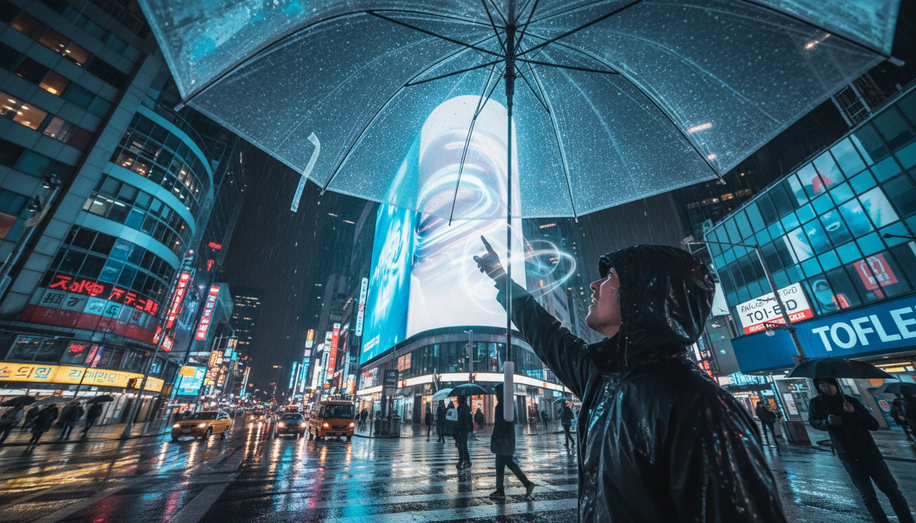

In the bustling streets of modern cities, out-of-home (OOH) advertising is evolving far beyond the static billboards and augmented reality overlays that once defined interactivity. Voice-activated displays, gesture-driven interfaces, and sophisticated QR code integrations are ushering in a new era of engagement, transforming passive glances into dynamic conversations between brands and passersby. These technologies leverage everyday human inputs—speech, motion, and scans—to create personalized, multisensory experiences that drive measurable results, from boosted foot traffic to viral social shares.
Voice technology stands at the forefront of this shift, turning OOH surfaces into responsive companions. Consider JCDecaux’s OUIbot, a virtual travel assistant deployed in Paris train stations in 2019, where passengers could summon ticket information through casual voice commands laced with humor. Over 100,000 interactions later, the bot proved voice’s power to humanize digital screens, blending utility with entertainment to extend dwell time and foster brand affinity. Fast-forward to today, and advancements like voiceprint recognition allow ads to tailor responses based on tonal cues or keywords. A taxi billboard might spring to life with booking options the moment a pedestrian utters “I need a ride,” creating an uncanny sense of relevance. In Zurich Central Station, a Graubünden tourism campaign took this further: a virtual mountaineer on screen invited yodels from commuters, triggering personalized vacation offers and turning a simple audio exchange into a ticketed win for participants. Such directional audio innovations, like those in Nike’s New York talking billboards or the eerie whispers of a Paranormal State promo, use ultrasound beams to deliver private-sounding messages, heightening intrigue without disturbing crowds.
Gesture recognition elevates this interactivity by reading body language, making ads feel intuitively alive. HOKA’s 2024 Manhattan activation exemplified this during the Mafate X shoe launch, converting a city block into a Joshua Tree-inspired desert complete with motion-synced visuals. Runners on a central treadmill triggered real-time Unreal Engine landscapes that accelerated with their strides, accompanied by wind, heat, and ambient sounds—immersing participants in a branded adventure that blurred urban grit with wilderness thrill. Earlier touch-sensitive precursors, like Absolut Vodka’s Stockholm posters, let users mix virtual cocktails via hand gestures, yielding a 40% bump in brand recall. Now, gesture tech integrates with AI to anticipate actions: wave near a coffee ad during rush hour, and it might release a Starbucks-like aroma while displaying nearby store directions, as seen in London’s scented bus shelters that increased dwell time by 25%. This progression from touch to no-touch gestures addresses hygiene concerns post-pandemic while amplifying emotional connections, as Lyft did by orchestrating car alarms into a street performance of “Despacito,” drawing crowds through synchronized motion and melody.
QR codes, long a staple, are undergoing a renaissance with dynamic, context-aware enhancements that propel users into layered digital realms. No longer mere static links, advanced QR integrations now fuse with geolocation and real-time data for seamless actions. Pepsi Max’s “Unbelievable bus shelter” AR spectacle invited scans to unlock hidden UFOs or tigers on screens, flipping wait times into shareable viral moments. Campaigns like Wonka’s 3D billboards prompt QR hunts that extend storytelling, where scanning reveals character interactions or exclusive content, turning billboards into portals for social takeovers and live polls. Coca-Cola’s “Happiness Machines”—huggable vending dispensers of free drinks and surprises—evolved this model, with QR follow-ups generating millions of shares by inviting post-interaction uploads. In 2025, programmatic OOH ties QR efficacy to weather or time: sunscreen brands activate sunny-day scans for UV forecasts and discounts, while tourism QRs in high-dwell spots like subways deliver hyper-local itineraries. IKEA’s Stockholm bus shelter stunt, projecting cozy interiors onto rainy streets, paired QR scans with furniture trials, solving seasonal woes and spiking engagement.
These technologies converge to redefine OOH’s role in a fragmented media landscape, where attention spans dwindle amid smartphone scrolls. Voice, gestures, and QR create feedback loops: a spoken query triggers a gesture-responsive animation, culminating in a QR-driven purchase—all measurable via impressions, scans, and conversions. Challenges remain, from privacy in voiceprint tech to ensuring accessibility across demographics, but successes abound. All Good Bananas’ supermarket audio spotlight, whispering conscience-like nudges via directional sound, lifted sales 130%; Nike’s synced voiceovers garnered 1.2 million impressions. As programmatic platforms refine targeting—ramping voice ads on rainy days or gesture prompts in fitness zones—these tools promise ROI beyond AR’s visual novelty.
Looking ahead, hybrid multisensory setups will dominate: imagine a gesture-activated billboard that responds to voice with scent bursts and QR-secured rewards, as hinted in emerging scent-sound campaigns. Brands like Disney, with AR street panels evolving into voice-gesture hybrids, already amplify organic reach through selfie prompts and shares. For OOH publishers and advertisers, the imperative is clear: invest in these beyond-AR waves to capture the street’s pulse. In an era where 2025’s top campaigns blended tech with human intuition, from KitKat’s wordless intrigue to HOKA’s kinetic deserts, interactivity isn’t optional—it’s the new currency of connection. As urban spaces densify, these innovations ensure OOH doesn’t just advertise; it converses, creating lasting impressions one voice, wave, or scan at a time.
In this dynamic landscape, Blindspot offers the essential tools for brands and publishers to master advanced OOH interactivity. Its programmatic DOOH campaign management precisely orchestrates dynamic voice, gesture, and QR activations, while robust real-time performance tracking and ROI measurement provide undeniable proof of engagement and conversion, ensuring every interactive experience is strategically optimized and demonstrably effective. Learn more at https://seeblindspot.com/