
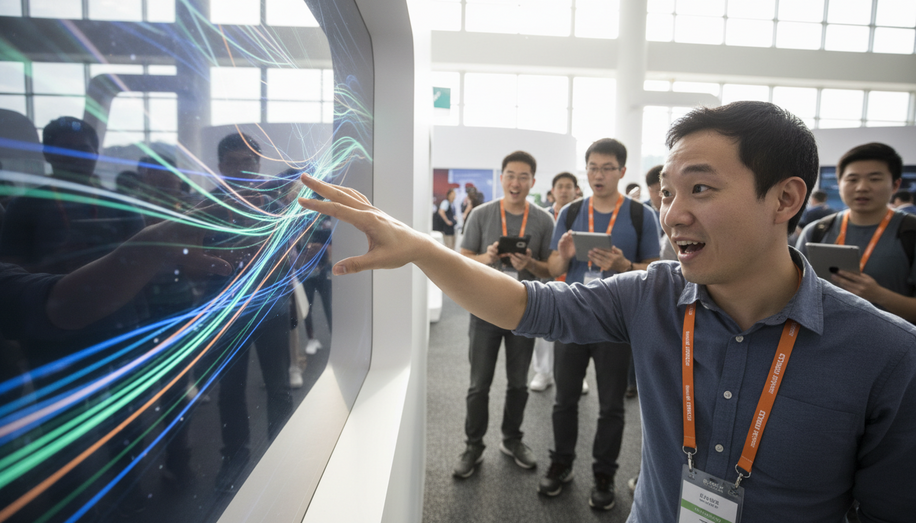

In the bustling heart of urban landscapes, where pedestrians weave through city streets and commuters pause at transit hubs, interactive digital displays are rewriting the rules of out-of-home (OOH) advertising. No longer passive billboards shouting into the void, these advanced screens—equipped with touch, motion sensors, and augmented reality (AR)—invite viewers to touch, gesture, and engage, transforming fleeting glances into memorable interactions. As 2026 unfolds, this shift from static messaging to dynamic participation is propelling digital out-of-home (DOOH) toward dominance, with projections indicating it will capture over 40% of total outdoor ad spend.
The evolution traces back from painted vinyl relics to today’s LED-powered marvels, but interactivity marks the true leap forward. Early digital signage offered real-time updates tied to weather or events, yet now, programmatic DOOH platforms automate content delivery, syncing hyper-local data like audience demographics, dwell time, or traffic flow for precision targeting. Imagine a screen at an airport gate that detects a traveler’s approach via proximity sensors and morphs into a personalized 3D hologram promoting a nearby lounge, responsive to gestures for instant booking. Such innovations, blending artificial intelligence (AI) with IoT connectivity, enable displays to adapt in milliseconds, fostering relevance that static ads could never achieve.
At the forefront are holographic and 3D anamorphic displays, creating “stop-and-stare” illusions that spill into physical space. Deployed in high-traffic zones like EV charging stations, sports venues, and urban facades, these setups use sensor-based tech for gesture controls—waving a hand to spin a virtual product or proximity triggers to unlock AR overlays via smartphone. Industry observers note that interactive formats boost dwell time by 20 to 40%, as passersby linger to play gamified challenges or scan QR codes for exclusive offers, turning ads into shareable social moments. A motion-responsive wall in a shopping corridor, for instance, might animate a brand’s narrative as users walk by, encouraging NFC taps for retargeting on their mobiles.
This interactivity extends beyond novelty, integrating seamlessly with mobile and social ecosystems. Geo-fencing pairs OOH screens with apps, retargeting viewers who interacted with a digital kiosk moments earlier, while beacons track engagement paths for measurable conversions. Brands leverage these for cross-channel synergy: a touchscreen display in a retail zone prompts selfie challenges, flooding Instagram with user-generated content that amplifies reach exponentially. Data from such encounters refines future campaigns, with AI optimizing creatives in real time—swapping sunny promotions for rainy-day alternatives based on live feeds.
Sustainability underpins this tech surge, aligning with eco-mandates as brands prioritize energy-efficient LEDs, OLEDs, and solar-powered units that slash operational footprints without dimming impact. Durable enclosures withstand harsh weather—rain, heat, or glare—ensuring 24/7 visibility in smart city infrastructures where displays double as informational hubs, feeding traffic data or event alerts. In 2026, as urbanization accelerates, these displays embed into the urban fabric, from floor-to-ceiling digital corridors to immersive holograms on building exteriors, blurring physical and digital realms.
Real-world deployments underscore the transformation. At premium locations like airports, holographic storytelling captivates high-intent travelers, with gesture-enabled interactions driving organic buzz and measurable lifts in brand recall. Programmatic networks synchronize citywide screens for cohesive campaigns, such as a weather-triggered beverage promo rippling across billboards during heatwaves. Meanwhile, gamified kiosks in transit hubs collect instant feedback, boosting participation rates and providing rich first-party data.
Challenges persist, from high upfront costs to ensuring accessibility amid fragmented attention spans, but falling prices and scalable platforms are democratizing access. Critics question privacy in data-driven targeting, yet compliant frameworks like anonymized aggregation are standardizing ethical practices. Ultimately, interactive digital displays are reimagining OOH as experiential media, where consumers co-create the narrative.
Looking ahead, the fusion of AR, AI, and smart city IoT promises even wilder frontiers—holographic metaverse links or emotion-sensing screens tailoring messages to moods. By prioritizing engagement over exposure, these technologies forge deeper connections, proving that in 2026’s crowded media landscape, the most effective ads are the ones viewers can’t resist touching. OOH advertisers who embrace this interactive era will not just capture eyes, but command loyalty in an increasingly participatory world.