
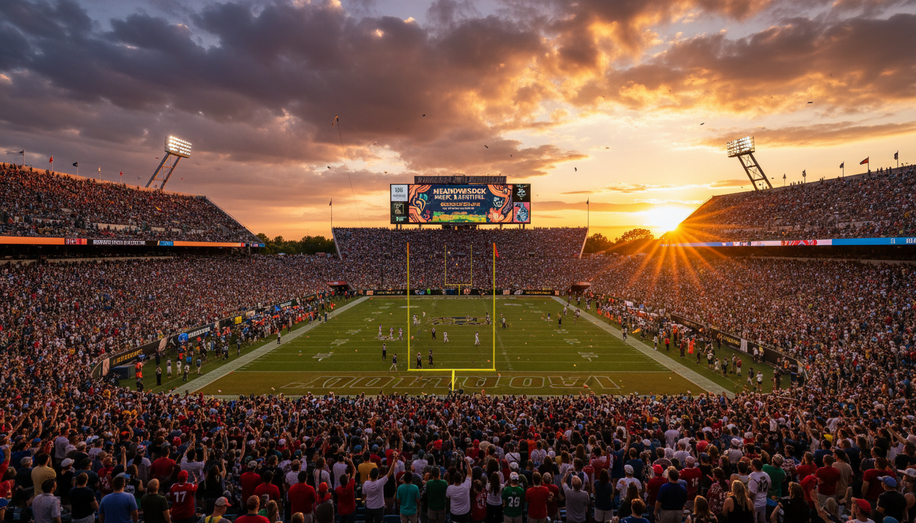

In the bustling heart of a city, where a neighborhood festival transforms quiet streets into vibrant hubs of activity, out-of-home (OOH) advertisers find themselves at a pivotal crossroads. Local events—be they farmers markets, street fairs, or community sports gatherings—dramatically reshape traffic patterns, pedestrian flows, and audience mindsets, demanding a recalibration of ad timings and placements to capture maximum impact. What was once a standard commuter-hour billboard schedule suddenly competes with throngs of event-goers, turning routine OOH strategies into high-stakes opportunities for brands willing to adapt.
Consider the dynamics at play. During peak commuter windows, such as 7-9 a.m. and 4-7 p.m., OOH campaigns thrive on high-velocity exposure to drivers and transit riders. Yet, when a local music festival or holiday market coincides with these hours, foot traffic surges near venues, car parks, and approach routes, diluting visibility on traditional highways while amplifying it in event-adjacent zones. In Plano, Texas, for instance, a landscaping company sponsoring a neighborhood festival might shift its digital and print OOH efforts to geotargeted billboards along festival pathways, ensuring ads reach locals drawn by community spirit—80% of whom attend such events to support their area. This realignment not only boosts immediate engagement but extends brand recall, as attendees carry tangible takeaways like flyers home.
Timing emerges as the linchpin. Experts advocate starting OOH campaigns at least two weeks before an event to build anticipation, allowing potential visitors time to note dates and make plans without forgetting amid daily routines. Too early, and the message fades; too late, and last-minute decision-makers miss out. A phased approach proves most effective: an initial awareness phase via broad placements on high-traffic commuter routes, followed by an aggressive push closer to the date with ads near transit hubs, walking paths to entrances, and hospitality spots where pre-event buzz peaks. During the UK festival season, for example, OOH placements in train stations and car parks along audience travel routes have driven significant uplift, with 83% of attendees recalling outdoor ads from the prior week and becoming twice as likely to make purchases. This strategy transforms events from mere disruptions into multipliers, aligning ad dwell time with heightened audience receptivity.
Placement, too, must pivot with precision. Static billboards on outskirts lose potency when events concentrate crowds downtown; instead, mobile billboards or transit wraps on buses ferrying conference-goers from airports become prime real estate. At large expos, repeated touchpoints during commutes—from airport shuttles to city subways—cement brand awareness among transient visitors. In Atlanta during Super Bowl LIII, a rival brand exploited event data to blanket the city with provocative OOH taunts timed to fan influxes, demonstrating how intelligent event intelligence can preempt traffic swells and secure eyeballs at scale. Local festivals amplify this further: ads in pubs, bars, and drop-off zones capture pre- and post-event energy, where dwell time soars and conversations ignite.
The interplay extends beyond the event footprint. Post-event, sustained OOH presence reinforces messaging, countering the “forgetfulness” risk of one-off exposures. Long-term runs of six to twelve months suit brands seeking enduring visibility, but event-tied bursts—ramping up budgets during peaks—yield outsized returns by syncing with seasonal surges like summer festivals projected to reach £3.22 billion in the UK by 2026. Data underscores the payoff: OOH during high-footfall periods not only improves recall but encourages action, as festival-goers report heightened online purchasing intent post-exposure.
Challenges persist, however. Misaligned timings waste spend, as early ads prompt notes but no bookings, while overlooked traffic shifts scatter impact. Privacy laws further elevate event data’s role, enabling contextual targeting without personal tracking—identifying attendee volumes, routes, and timings to place wraps or digital screens precisely where audiences converge. For OOH specialists, tools analyzing pedestrian flows and event calendars are indispensable, turning local happenings from obstacles into strategic windfalls.
Ultimately, local events compel OOH advertisers to evolve from rigid schedulers to agile orchestrators. By forecasting disruptions—whether a Dallas street fair or a coastal music bash—and adjusting timings and placements accordingly, campaigns transcend visibility to forge connections. In an era of fragmented media, this event-responsive agility positions OOH as the medium that meets audiences where their excitement peaks, delivering not just impressions, but influence that lingers long after the crowds disperse. Brands that master this rhythm don’t just advertise; they become part of the story. Such precision demands advanced capabilities, and platforms like Blindspot offer the essential audience measurement and location intelligence to dynamically optimize OOH placements around shifting event-driven pedestrian flows. This enables advertisers to act as agile orchestrators, ensuring timely and impactful engagement with audiences precisely when their receptivity is highest. https://seeblindspot.com/