
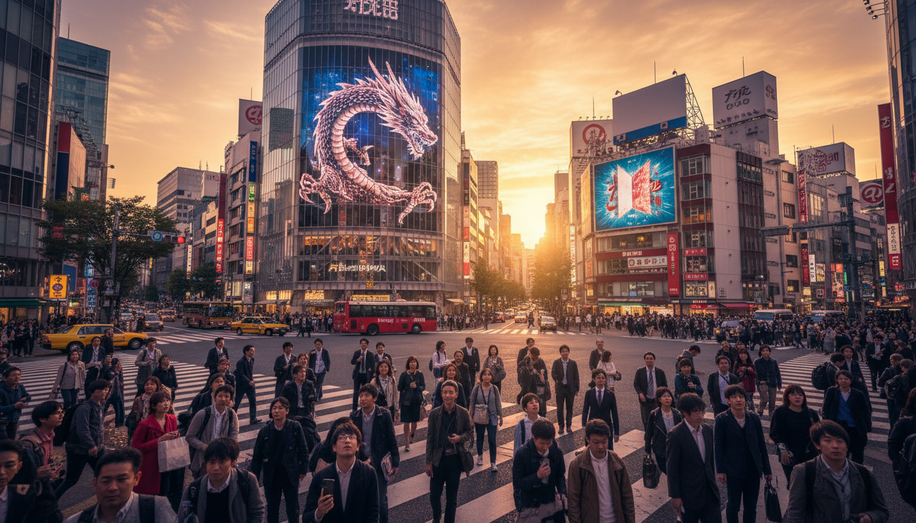

In the bustling streets of modern cities, where static billboards once dominated the visual landscape, augmented reality is reshaping out-of-home advertising into a dynamic portal between the physical and digital worlds. By overlaying interactive digital elements onto real-world surfaces via smartphone scans, AR transforms passive glances into immersive encounters, captivating passersby and forging deeper brand connections. This fusion not only boosts engagement but also amplifies shareability on social media, turning everyday ads into viral sensations.
The appeal lies in AR’s ability to create emotional bonds that traditional OOH struggles to achieve. When users scan a QR code on a subway poster or bus shelter, they receive instant feedback—watching virtual elements respond to their touch or movement—which fosters a sense of personal involvement and lasting positive associations. Industry projections underscore the momentum: by 2023, the AR market had swelled to a $160 billion powerhouse, driven by brands eager to leverage spatial computing for urban billboards and digital signs. No longer confined to screens, AR turns any city surface into a canvas for storytelling, extending dwell times, enhancing retention, and yielding richer user analytics.
Burger King’s “Burn That Ad” campaign exemplifies this disruptive potential. Launched in Brazil, it targeted competitors’ billboards, inviting users to download the BK app and point their phones at rival posters—like those of McDonald’s—to virtually set them ablaze. In their place emerged a Burger King ad with a redeemable Whopper coupon, sparking 1 million app downloads in a month and a 56.4% surge in in-app sales. The campaign’s audacity made it the most downloaded Burger King app worldwide, proving AR’s power to hijack attention and drive measurable results.
Similarly, the UK’s NHS Blood and Transplant initiative used AR to humanize a critical call to action. Billboards in Birmingham and London depicted patients in need; scanning revealed a virtual needle overlay on the user’s arm, allowing them to “donate” blood and watch the patient recover in real time. This app-based experience built empathy, blending healthcare messaging with interactive storytelling to raise awareness effectively.
WebAR technology, which requires no app downloads and runs seamlessly in mobile browsers, has democratized these innovations. Jackson Family Wines’ Siduri campaign partnered with Rock Paper Reality and Microsoft’s Mixed Reality Capture Studio for a holographic showcase. Scanning QR codes on in-store billboards or bottles summoned a photorealistic 3D hologram of founder Adam Lee, enabling users to explore his winemaking insights. The app-less accessibility made it frictionless, revolutionizing wine marketing through first-person immersion.
Beverage giants have also embraced the trend. Coca-Cola’s 2023 TakeATasteNow campaign deployed AR-enabled billboards in high-traffic zones, where scans let users rotate the iconic bottle, tweak backgrounds, and interact with 3D elements in real time—bridging virtual tasting with physical purchase intent. BON V!V Spiked Seltzer took it further in Los Angeles and San Diego, with murals featuring QR codes that summoned a virtual vending machine. Users tapped to place it in their environment, browsed flavors, watched 3D dispensing animations, and accessed maps or online buying links, seamlessly converting engagement into sales.
Gaming and nostalgia amplify AR’s reach. Pizza Hut’s 2021 PAC-MAN collaboration printed QR codes on pizza boxes, unlocking an AR version of the arcade classic playable atop the real-world table. The Super Bowl-tied effort generated 741 million impressions and sold 10.6 million special boxes, blending fun with brand loyalty. Ally Bank’s Monopoly treasure hunt installed 36 game-board squares across six U.S. cities; WebAR scans revealed Mr. Monopoly distributing points and prizes, yielding 100,000 plays and 86% completion rates while subtly promoting financial literacy.
Even retail spaces are evolving. Maybelline New York’s collaboration with FFFACE.ME installed the world’s largest AR mirror—spanning 4,000 square meters in Kyiv’s Gulliver Mall—allowing virtual mascara try-ons in real time, turning a standard screen into a personalized beauty consultant. Pepsi Max’s 2015 “Unbelievable” bus shelter, though early, used built-in cameras for AR illusions like falling asteroids and invading UFOs, going viral and setting a benchmark for environmental integration.
These campaigns highlight AR’s versatility across sectors, from fast food and beverages to finance and public health. By merging offline statics with personalized digital layers, AR elevates OOH from mere visibility to experiential marketing. Challenges remain, such as ensuring broad smartphone compatibility and optimizing for quick scans in motion, but advancements in WebAR minimize barriers. As urban spaces digitize, brands investing in AR stand to dominate, with data showing consistent sales lifts, heightened awareness, and unprecedented shareability. The era of forgettable billboards is fading; in its place, AR crafts unforgettable urban adventures that linger in consumers’ minds and feeds. To truly capitalize on this evolving landscape, platforms like Blindspot offer crucial insights, enabling brands to precisely track real-time campaign performance and measure the direct ROI of their AR-powered OOH initiatives, ensuring every interactive moment translates into actionable data and optimized strategies. Explore how to elevate your OOH strategy at https://seeblindspot.com/