
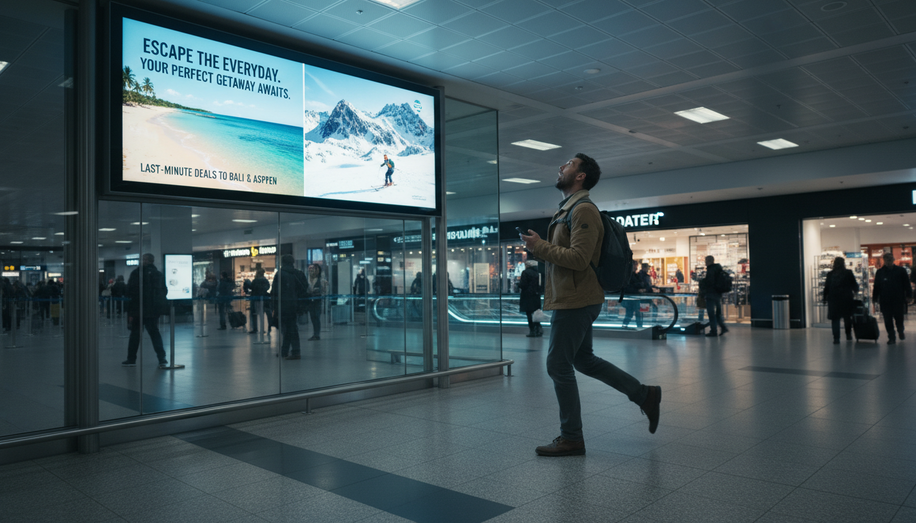

In the fast-paced world of out-of-home (OOH) advertising, where billboards, transit wraps, and digital displays compete for fleeting glances, artificial intelligence is emerging as a crystal ball for marketers. By harnessing predictive analytics, AI empowers brands to foresee consumer movements, behaviors, and preferences, transforming static ad placements into dynamic, high-impact strategies that deliver messages precisely when and where they matter most.
At its core, AI-driven predictive analytics sifts through massive datasets—ranging from geospatial foot traffic patterns and mobile GPS signals to social media trends and weather forecasts—to anticipate audience behavior with remarkable accuracy. Traditional OOH relied on historical data and gut instinct for site selection, often resulting in ads that missed their mark amid shifting urban dynamics. AI flips this script by modeling future scenarios. Machine learning algorithms process real-time inputs like pedestrian flows, demographic profiles, and proximity to points of interest, identifying optimal billboard locations before campaigns launch. For instance, a sportswear brand might deploy AI to pinpoint high-traffic zones near stadiums during major events, capitalizing on heightened fan engagement and emotional resonance to boost visibility.
This foresight extends to timing and contextual relevance, critical in OOH where exposure windows are brief. Platforms analyze factors such as time of day, nearby events, and even meteorological conditions to recommend peak display moments. A beverage company, for example, could use AI to trigger ads promoting chilled drinks on scorching days, dynamically adjusting digital screens based on temperature thresholds. Such weather-responsive targeting ensures ads align with immediate consumer needs, elevating relevance and response rates. As one AI platform demonstrates, these models continuously learn from performance data, refining predictions to favor locations and slots with the highest predicted impressions and engagement.
Optimizing budgets represents another leap forward. Predictive analytics simulates campaign outcomes across multiple OOH inventory types, forecasting return on investment (ROI) and guiding spend allocation. A global retail chain preparing for the holiday rush might feed AI historical sales data, competitor activity, and market trends; the system then suggests prime urban placements, tailored creatives for festive themes, and budget shifts to high-conversion periods. This proactive approach minimizes waste, as AI detects underperforming sites in real time—say, a billboard overshadowed by construction—and reallocates funds to surging opportunities like transit hubs during rush hour.
Consumer behavior prediction takes these capabilities deeper, blending OOH with cross-channel insights for a holistic view. AI tracks decision-making timelines by correlating ad exposures with downstream actions, such as store visits or online searches, revealing how many impressions typically precede a conversion. In OOH, this means understanding incremental lift: did that highway billboard truly sway the driver, or was the sale inevitable? Advanced models attribute value across touchpoints, from digital out-of-home screens to social media follow-ups, ensuring budgets flow to the most influential channels. For outdoor retailers, AI might forecast demand spikes for gear ahead of rainy weekends, triggering targeted OOH near trailheads while syncing with email campaigns for personalized nudges.
Real-world deployments underscore AI’s tangible impact. StreetMetrics, an OOH analytics firm, leverages machine learning to hyper-target audiences by fusing mobile geolocation with social data, shifting from broad sprays to precision strikes that match ads to contextual moments—like fitness promotions near gyms at dawn. ANIMA’s tools enable scenario planning, where advertisers test virtual campaigns to preempt trends among generational cohorts, adapting OOH strategies gleaned from social listening. Even inventory management benefits: media owners predict demand for digital slots based on weather or events, streamlining sales and maximizing fill rates.
Yet, challenges persist. Data privacy regulations demand careful handling of location signals, and AI models require quality inputs to avoid biased forecasts. Still, as technology matures, integration with augmented reality and 5G promises even sharper predictions, like AR-enhanced billboards that adapt visuals to passing viewers’ demographics.
The payoff is clear: brands using AI for OOH predictive analytics report superior engagement, conversions, and ROI. In an era of fragmented attention, this isn’t just optimization—it’s anticipation. Marketers who master AI will not only reach consumers but anticipate their next move, redefining OOH as a prescient force in the advertising landscape.
This critical shift from guesswork to precise anticipation is where platforms like Blindspot truly excel. By integrating advanced location intelligence, audience measurement, and ROI attribution, Blindspot empowers marketers to pinpoint optimal OOH placements and dynamically time campaigns, ensuring messages reach consumers precisely when and where they are most receptive. This transforms out-of-home advertising into a truly prescient force, driving superior engagement and measurable returns. Discover more at https://seeblindspot.com/