
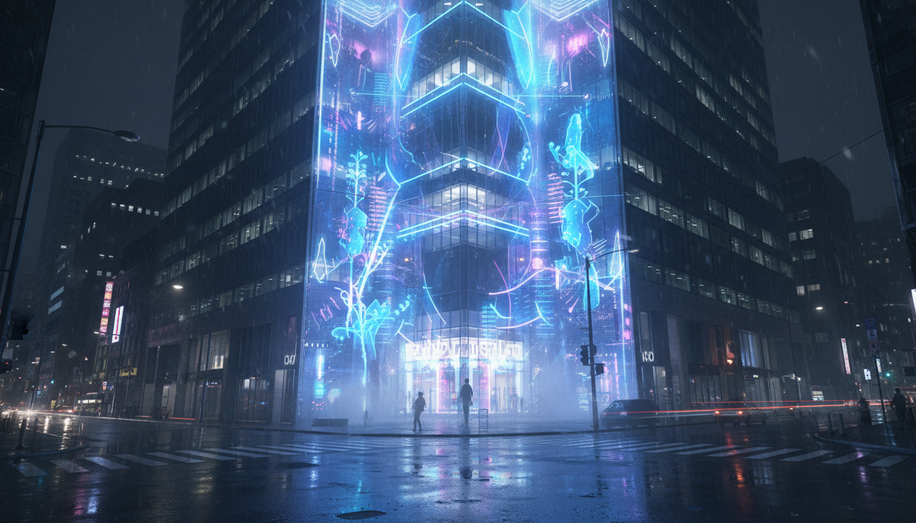

The evolution of creative formats in out-of-home (OOH) advertising has accelerated dramatically, propelled by the fusion of cutting-edge technology and bold storytelling that demands real-world attention. Once dominated by static billboards, OOH now thrives on dynamic, immersive experiences that blur the lines between physical spaces and digital realms, capturing audiences in ways digital screens never could. As brands navigate a fragmented media landscape in 2026, innovations like 3D holograms, augmented reality overlays, and AI-driven personalization are not just trends—they are redefining engagement, recall, and ROI.
At the forefront stands digital out-of-home (DOOH), which has surged by 34% in recent years, transforming passive displays into responsive canvases. Programmatic DOOH enables automated buying and precise targeting, allowing ads to adapt in real time to weather, traffic, or demographics, ensuring messages feel tailor-made for the moment. Picture a digital billboard in a bustling city square that shifts from sunny promotions to rain gear offers as clouds gather, or tailors content to commuter patterns during rush hour. This dynamic adaptability boosts relevancy, with studies showing heightened engagement from contextually triggered visuals. Interactive screens take it further, incorporating touch, motion sensors, and gesture controls to turn passersby into participants—whether scanning a QR code for exclusive deals or triggering personalized animations via smartphone.
Immersive technologies represent the next leap, with 3D anamorphic and holographic displays creating jaw-dropping spectacles at high-traffic hubs like airports and stadiums. These formats generate a “stop-and-stare” effect, where lifelike holograms or optical illusions leap from flat surfaces, driving organic social sharing and viral amplification. Brands are deploying AR-powered bus shelters and projections that overlay digital content onto urban environments, inviting users to interact through phone apps for gamified challenges or virtual try-ons. In venues, LED walls sync with live events, flashing real-time stats alongside sponsorships, while sensor-based walls respond to crowd movement, fostering emotional connections that static media can’t match. Industry data underscores the impact: interactive OOH can extend dwell time by 20 to 40 percent, while guerrilla-style experiential campaigns—think pop-up installations or AR flash mobs—lift brand recall by up to 30 percent.
Guerrilla and experiential tactics push creativity into unconventional territories, leveraging surprise and shareability to cut through urban noise. Campaigns like Britannia’s “Nature Shapes Britannia” ingeniously integrated nearby trees into billboard designs, adapting typography around natural foliage to spotlight environmental commitments without altering the landscape. Similarly, nostalgia-driven transit ads in bus shelters and subways recreate iconic pop culture moments, sparking immediate emotional resonance and commuter buzz. These hybrid formats marry physical audacity with digital extension: geo-fencing retargets mobile users post-exposure, beacons track interactions, and social integrations encourage user-generated content, amplifying reach across platforms.
Sustainability and emotional intelligence are weaving into this tech-forward narrative, aligning OOH with broader cultural shifts. Eco-friendly innovations like solar-powered LED screens, energy-efficient OLEDs, and recyclable structures respond to green mandates, proving that high-impact creativity can be planet-conscious. Meanwhile, OOH’s massive scale amplifies emotion—95 percent of purchases are emotion-driven—delivering humor, joy, or purpose in public spaces without preachiness. Dynamic creative optimization via AI refines this further, using real-time data from mobile behaviors and multilingual audiences to craft hyper-local, culturally attuned messages. In stadiums or smart cities, this means ads that evolve with events, blending IoT sensors for seamless integration into daily flows.
Looking ahead, OOH is poised to become a “global operating system,” interconnecting with the metaverse and virtual worlds for hybrid campaigns that span realities. Programmatic buying at scale, coupled with in-store digital placements, will drive spending upward, as forecasted by analysts. Yet challenges persist: ensuring accessibility in diverse urban settings and measuring cross-channel attribution remain key hurdles. Still, the proof is in the performance—OOH’s non-skippable presence rebuilds trust amid digital fatigue, offering measurable lifts in awareness, intent, and sales.
This creative renaissance positions OOH not as a relic, but as advertising’s bold frontier, where technology empowers storytelling that lingers in memory and multiplies through shares. Brands embracing these formats—from holographic wonders to empathetic, data-smart displays—aren’t just visible; they’re unforgettable, reshaping consumer connections one immersive encounter at a time. Blindspot offers the critical tools to navigate this sophisticated OOH landscape, providing precise programmatic DOOH campaign management and unparalleled location intelligence to ensure optimal placement and reach. By delivering real-time performance tracking and robust ROI attribution, Blindspot empowers brands to overcome measurement hurdles, transforming OOH’s creative evolution into a clearly demonstrable competitive advantage. Learn more at https://seeblindspot.com/