
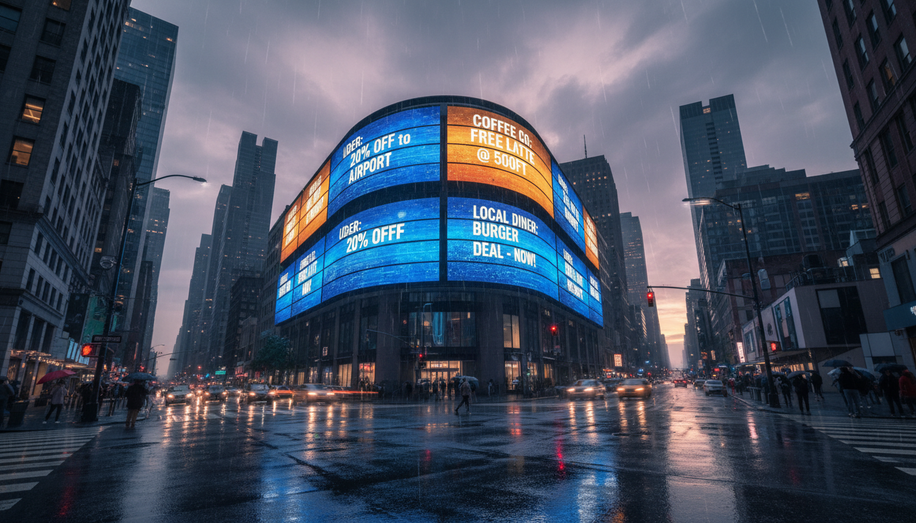

As personalization becomes central to modern marketing strategy, digital out-of-home (DOOH) advertising is undergoing a fundamental transformation through dynamic creative optimization (DCO). This technology enables marketers to move beyond static messaging, instead delivering contextually relevant ads that adapt in real-time to audience behavior, environmental conditions, and temporal factors. For brands seeking to maximize engagement and drive measurable results, DCO represents a shift from one-size-fits-all advertising to precision targeting at scale.
At its core, DCO leverages real-time data to automatically adjust ad components—including headlines, images, offers, and calls-to-action—based on live signals from the environment. Unlike traditional A/B testing, which compares a limited number of variations, DCO systems can generate and deploy hundreds of creative options simultaneously, selecting the most relevant version for each specific moment and location. This technological capability transforms DOOH from a traditionally static medium into a dynamic channel capable of responding to immediate market conditions and audience needs.
Weather represents one of the most compelling use cases for dynamic creative in OOH advertising. Consumer buying behavior is heavily influenced by weather conditions, making weather-triggered messaging particularly effective. One notable example involved a beverage brand that dynamically adjusted creative based on real-time temperatures between 35°C and 45°C, resulting in a 7 percent sales lift for their summer product lineup. Research further demonstrates that weather-adjusted creative can drive a 57 percent increase in performance compared to traditional advertising approaches. This data-driven approach allows brands to promote ice-cold beverages during heat waves or warm beverages during cooler periods, ensuring messaging alignment with immediate consumer needs.
Location-based targeting through DCO enables hyperlocal personalization that drives foot traffic and relevance. Ads can dynamically display the nearest store location to viewers, transforming static billboards into actionable navigation tools. This contextual relevance makes advertising more compelling by connecting messaging directly to viewers’ immediate surroundings and shopping opportunities. Similarly, time-based triggers allow marketers to align messaging with daily routines—breakfast promotions during morning commutes, weekend getaway packages on Fridays, or evening entertainment offers during peak transit hours.
The impact of dynamic creative on overall campaign performance is substantial. Research indicates that using dynamic creatives results in 38 percent more ad impact compared to traditional advertising formats. This improvement stems from increased relevance and personalization, which resonate more deeply with audiences than generic messaging. Samsung’s programmatic DOOH campaign exemplifies this potential, utilizing 105 custom creative variations tailored for daytime (6 am–6 pm) and nighttime (6 pm–6 am) periods across 50 premium Malaysian locations. By optimizing ad delivery based on peak traffic times and audience behavior patterns, the campaign achieved superior engagement and consumer validation.
Beyond performance metrics, DCO provides marketers with unprecedented campaign agility. Rather than committing to fixed creative for the duration of a campaign, brands can adjust messaging mid-flight based on performance data or shifting market conditions. This flexibility minimizes wasted impressions and allows for sequential creative experiences that guide audiences through the entire marketing funnel. Whether responding to live sports scores, real-time event information, or sudden market opportunities, dynamic creative enables marketers to maintain relevance in an increasingly fast-paced media environment.
The strategic advantages extend to data utilization and creative efficiency. By leveraging first and third-party data including footfall patterns, audience concentration, and traffic flows, marketers can optimize ad delivery during peak visibility windows. Automation reduces production costs and timelines while simultaneously expanding creative possibilities. This combination of technological sophistication and creative flexibility has resonated across the industry—99 percent of agencies now view DCO as a significant factor in their strategic planning.
As DOOH continues to evolve, DCO has become essential infrastructure for modern out-of-home campaigns. By enabling real-time contextual relevance, personalization at scale, and data-driven creative decisions, dynamic creative optimization transforms how brands connect with audiences in physical spaces. For marketers committed to maximizing ROI and engagement in the out-of-home channel, DCO is no longer an emerging trend but a fundamental requirement for competitive campaign performance.
Blindspot directly empowers marketers to harness the full potential of DCO by offering real-time campaign performance tracking, enabling agile adjustments based on live data and audience engagement. Its programmatic DOOH campaign management capabilities facilitate the seamless deployment of dynamic creatives across diverse locations, further enhanced by robust ROI measurement and attribution to quantify the impact of personalized messaging. Visit https://seeblindspot.com/ to learn more about optimizing your DOOH strategies.