

In an era dominated by fleeting digital scrolls and algorithm-driven feeds, out-of-home (OOH) advertising stands as a steadfast pillar for cultivating enduring brand loyalty. Far from being a relic of past decades, sustained OOH campaigns deliver repeated, unskippable exposure that embeds brands into the fabric of daily life, fostering recognition, trust, and emotional connections that propel long-term customer allegiance.
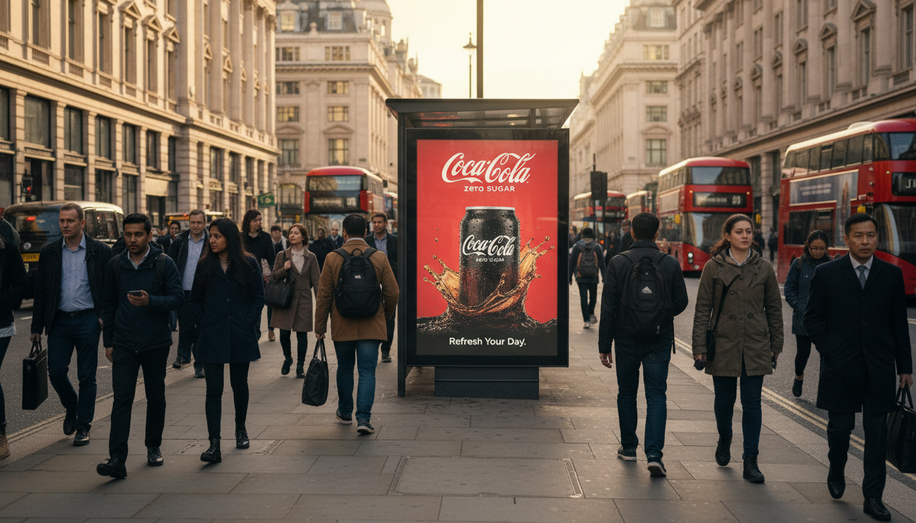
The mechanics of this loyalty-building power begin with unparalleled visibility. Billboards, transit ads, and urban hoardings command attention in high-traffic zones, where nearly 80% of consumers interact with at least one OOH ad every 60 days, according to the Outdoor Advertising Association of America (OAAA). Unlike online banners that can be dismissed with a swipe, OOH ads inhabit physical space—looming over commutes, framing shopping trips, and punctuating community landmarks. This inescapable presence ensures messages linger, with research showing 55% recall rates for digital billboards, surpassing many digital formats. Coca-Cola’s vibrant urban billboards exemplify this, imprinting the brand on thousands of passersby and amplifying recall without the clutter of ad blockers.
Repetition is the cornerstone of transformation from awareness to affinity. When consumers encounter the same ad during morning drives, lunch breaks, or evening walks, it weaves into their routines, creating subconscious familiarity. This consistent reinforcement—be it Nike’s motivational messaging or McDonald’s clever Sundial Menu boards signaling time-specific offers—spikes foot traffic by 80% to 120%, outpacing combined mobile and desktop efforts. Over time, such exposure doesn’t merely drive impulse visits; it nurtures habit. Nielsen data underscores this efficiency: OOH accounts for just 7% of marketing spend yet generates 26% of gross search activations from offline media, outperforming TV, radio, and print per ad dollar.
Beyond metrics, OOH excels at emotional anchoring. Ads integrated into real-world environments feel authentic and tangible, conveying legitimacy that digital proxies often lack. A well-placed billboard near a familiar route becomes part of the daily rhythm, evoking positive associations with community, reliability, and aspiration. This builds trust incrementally; consumers perceive brands with a physical footprint as established and credible, enhancing likeability without overt persuasion. For local brands, targeted placements in demographic hotspots further personalize this bond, establishing authority through strategic visibility during transit moments when minds are receptive.
Sustained strategies amplify these effects exponentially. Long-running OOH campaigns, refreshed with consistent tone and imagery, signal permanence: “This brand is everywhere, and it’s not going anywhere.” Nike’s ongoing outdoor dominance, for instance, reinforces core values like perseverance, turning passive viewers into loyal advocates over years. Similarly, repeated exposure fosters narrative depth—OOH tells stories through scale and creativity, leaving lasting impressions that boost word-of-mouth and organic promotion. Studies confirm this translates to loyalty: OOH’s high recall—65% of viewers remember brands within 30 days—strengthens engagement and repeat business, as audiences associate the brand with dependability.
Cost-effectiveness seals OOH’s appeal for loyalty-focused marketers. Unlike digital channels requiring perpetual retargeting, OOH demands one-time investments in premium placements, yielding broad reach without ongoing lead-generation costs. This efficiency supports prolonged campaigns, where upfront costs yield compounding returns in recognition and trust. A Nielsen report notes 65% of digital billboard viewers follow up with actions like store visits or social follows, proving OOH’s role in bridging offline impact to online amplification.
Yet, the true genius of OOH lies in its synergy with other channels. A striking billboard sparks curiosity; a subsequent digital ad validates it, unlocking purchase intent and deepening loyalty. This multi-touch approach makes marketing feel human—grabbing attention in the physical world before inviting digital dialogue. For brands like those leveraging transit wraps or experiential installations, the result is a virtuous cycle: heightened legitimacy fuels positive perceptions, which in turn drive loyalty and ROI.
Critics might point to OOH’s broad targeting or measurement challenges, but data dispels doubts. In a fragmented media landscape, OOH’s ability to cut through noise with bold, distraction-free messaging proves indispensable for long-term equity. As consumers tire of screen fatigue, OOH’s physicality offers respite, positioning brands as reliable constants amid chaos.
Ultimately, sustained OOH isn’t about quick wins; it’s an investment in relational capital. By prioritizing visibility, repetition, and authenticity, brands like McDonald’s and Nike demonstrate how OOH transforms transient glances into lifelong loyalty, ensuring relevance in a world that demands presence as much as persuasion. For advertisers eyeing the horizon, the message is clear: in building brands that endure, nothing beats the great outdoors.